
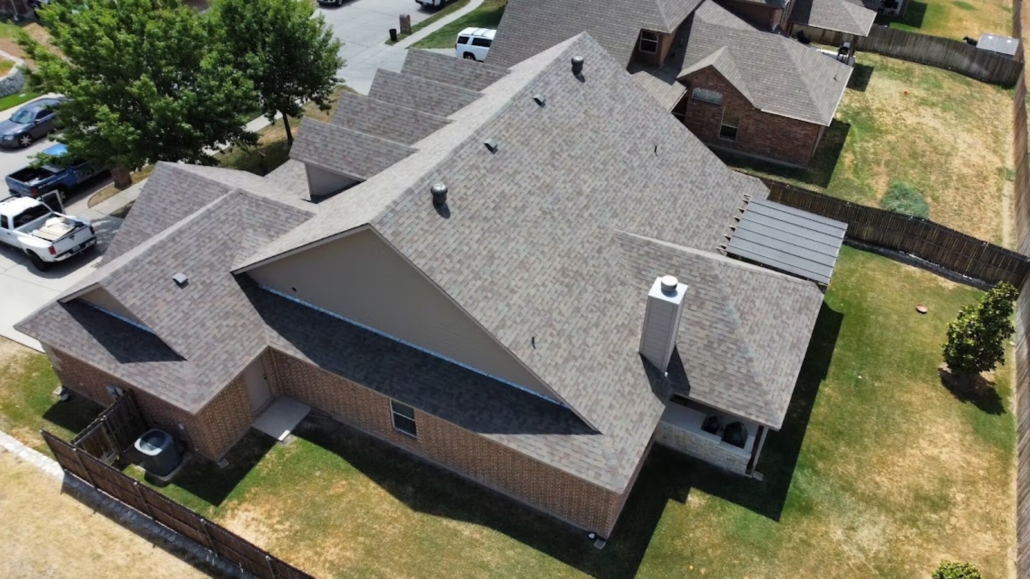
Roof Ventilation and Texas Heat: How It Affects Your Energy Bills
Roof ventilation is one of the most overlooked parts of a roofing system, and in Texas it is one of the most important. Our summers are long and brutal, and an attic that cannot breathe turns into an oven that cooks your shingles from below, drives up your cooling bills, and can even cause moisture problems. This guide explains how roof ventilation works, why it matters so much in the Texas heat, and the signs that yours may not be doing its job.
How roof ventilation works
A properly ventilated attic uses a simple, continuous flow of air. Cooler air enters low, usually through intake vents in the soffits under the eaves, and hot air escapes high, through exhaust vents near the ridge. This natural cycle, driven by the fact that hot air rises, keeps the attic from trapping heat and moisture. When intake and exhaust are balanced, the attic stays much closer to the outdoor temperature instead of building up into a heat trap.
The key word is balance. You need both intake and exhaust working together. Plenty of North Texas homes have exhaust vents but not enough intake, or the intake is blocked by insulation, and the system never really flows.
Why it matters so much in Texas
- It protects your shingles. An overheated attic bakes shingles from underneath, aging them faster and shortening the roof’s life. Good ventilation is one of the cheapest ways to help your roof reach its full lifespan, as we cover in how long a roof lasts in Texas.
- It lowers your cooling bills. When your attic hits 140 degrees or more, that heat radiates down into your living space and makes your air conditioner work harder. Venting that heat out eases the load and can trim energy costs.
- It fights moisture. Even in dry Texas, everyday activities and temperature swings create attic moisture. Without airflow, that moisture can lead to mold and can damage insulation and decking over time.
- It helps prevent problems year-round. Balanced ventilation keeps the attic stable through both the summer heat and the occasional winter cold snap.
Common types of vents
- Ridge vents: run along the peak of the roof and provide continuous, low-profile exhaust. Often the most effective exhaust option when paired with good intake.
- Soffit vents: the intake side, located under the eaves. Absolutely essential, and frequently blocked by insulation.
- Box or turbine vents: older-style exhaust vents that still work but are less uniform than a ridge vent.
- Gable vents: vents in the end walls of the attic that can supplement airflow.
The right mix depends on your roof’s design. What matters is that intake and exhaust are balanced so air actually moves.
Signs your ventilation is not working
- An attic that feels blazing hot and stuffy in summer, far hotter than outside.
- Cooling bills that climb even though your AC is in good shape.
- Shingles that are curling or aging faster than they should. See our signs you need a new roof guide.
- Moisture, musty smells, or mildew in the attic.
- Ice or condensation issues during the occasional hard freeze.
The good news
Ventilation is usually fixable, and it is far cheaper than the damage it prevents. If you are already replacing your roof, it is the ideal time to get the ventilation right, since the whole system is being redone anyway. A professional can assess your intake-to-exhaust balance and recommend the right setup for your home. Our guide on what to expect during a roof replacement shows where ventilation fits into the job.
Have your ventilation checked
If your attic feels like a furnace or your energy bills keep climbing, your roof ventilation is worth a look. Davis Roofing Solutions evaluates attic ventilation as part of our inspections across the Dallas-Fort Worth metroplex and can recommend cost-effective improvements. Explore our DFW roof maintenance and inspection services, or get in touch.