
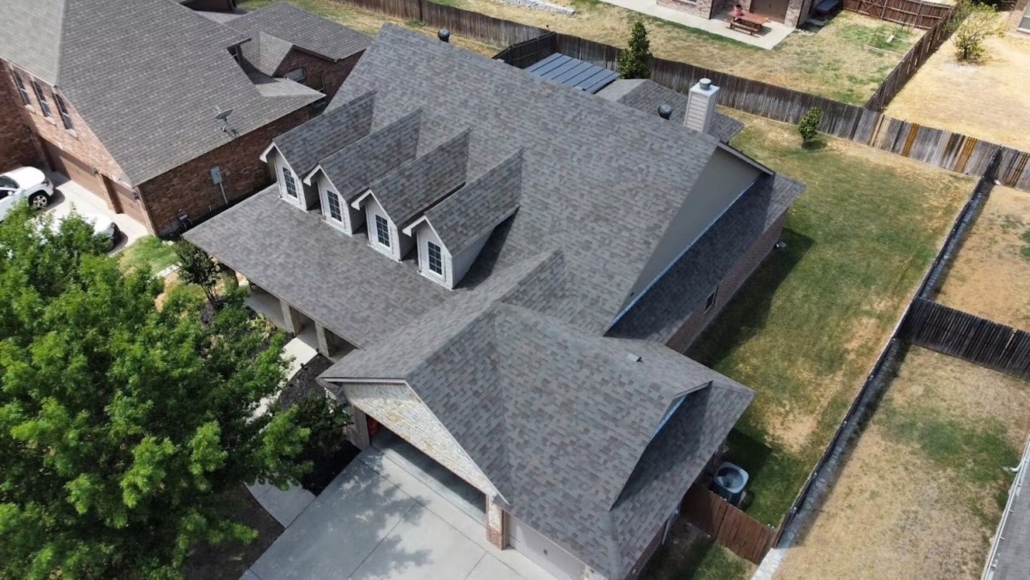
Solar Panels and Your Roof: What Texas Homeowners Should Know

Solar panels are becoming a common sight on North Texas rooftops, and for good reason given our abundant sunshine. But mixing solar and roofing raises questions that catch a lot of homeowners off guard, especially around timing, warranties, and what happens when the roof underneath the panels needs work. This guide covers what Texas homeowners should know about solar panels and their roof before they install either one.
The most important rule: check your roof first
If you are considering solar, the condition of your roof matters enormously. Solar panels are designed to last 25 years or more, so you do not want to mount them on a roof that has only a few years left. If your roof is aging, the smart move is to replace it before or at the same time as the solar installation. Otherwise, when the roof fails, you will pay to remove the panels, replace the roof, and reinstall the panels, which is a costly and avoidable headache.
Before any solar project, get an honest assessment of your roof’s remaining life. Our guides on how long a roof lasts in Texas and the signs you need a new roof can help, and a professional roof inspection will give you a clear answer.
How solar affects your roof
- Penetrations. Most solar systems attach with mounts that penetrate the roof. Done correctly with proper flashing, this is not a problem. Done poorly, those penetrations become leak points, which is why the roofing work behind a solar install matters.
- Warranties. Adding panels can affect your roofing warranty. It is worth confirming how your solar installer coordinates with your roof so you do not accidentally void coverage. See our guide to roof warranties.
- Weight and structure. Panels add weight. A sound roof and structure handle it fine, but it is one more reason to start with a roof in good shape.
- Shade and heat. Panels can actually shade part of the roof from the harsh Texas sun, though proper attic ventilation still matters. See roof ventilation and Texas heat.
Best case: replace and go solar together
If your roof is near the end of its life and you want solar, doing both together is usually the smartest and most cost-effective approach. You get a fresh roof with a full lifespan, the solar mounts and flashing are installed correctly from the start, and you avoid ever paying to remove and reinstall panels for a roof replacement down the road. Coordinating the two projects also means the roofing and solar work do not conflict.
What to ask before you install solar
- How many years of life does my current roof have left?
- Should I replace the roof before or during the solar install?
- How will the mounts be flashed and sealed to prevent leaks?
- How does adding panels affect my roof warranty?
- Who is responsible if a leak develops around a solar mount?
Roof first, panels second
Solar can be a great investment in sunny North Texas, but only on a roof that is ready for it. The homeowners who avoid trouble are the ones who make sure the roof underneath is sound before the panels go up. Davis Roofing Solutions can assess your roof’s condition and, if needed, replace it so it is ready for a long solar life. Learn about our DFW roof replacement services, review our cost guide, or get in touch to start with an inspection.

