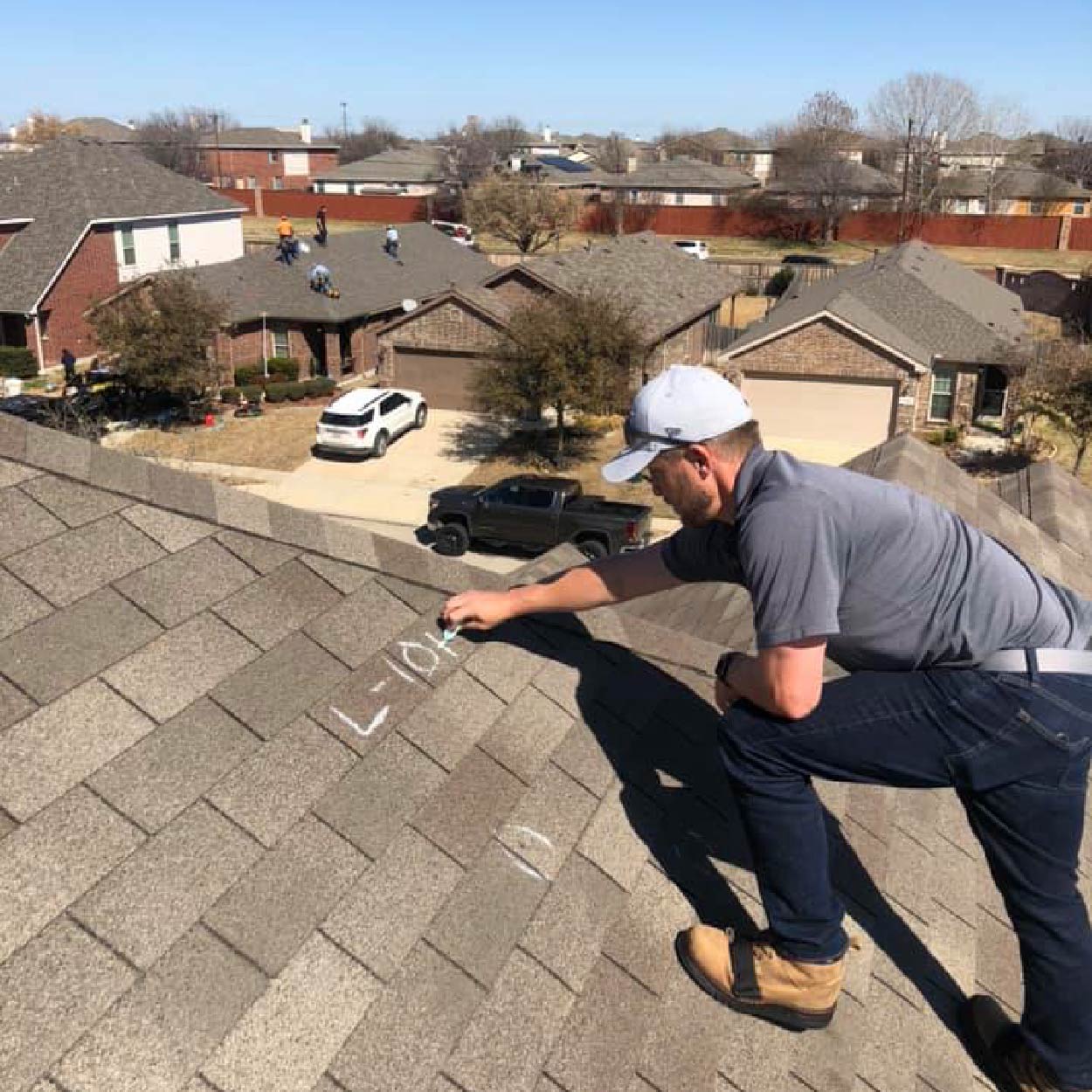
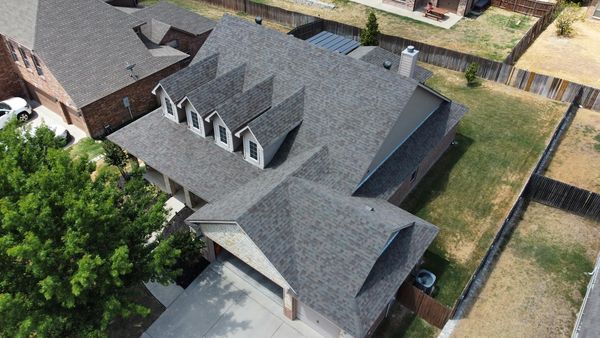
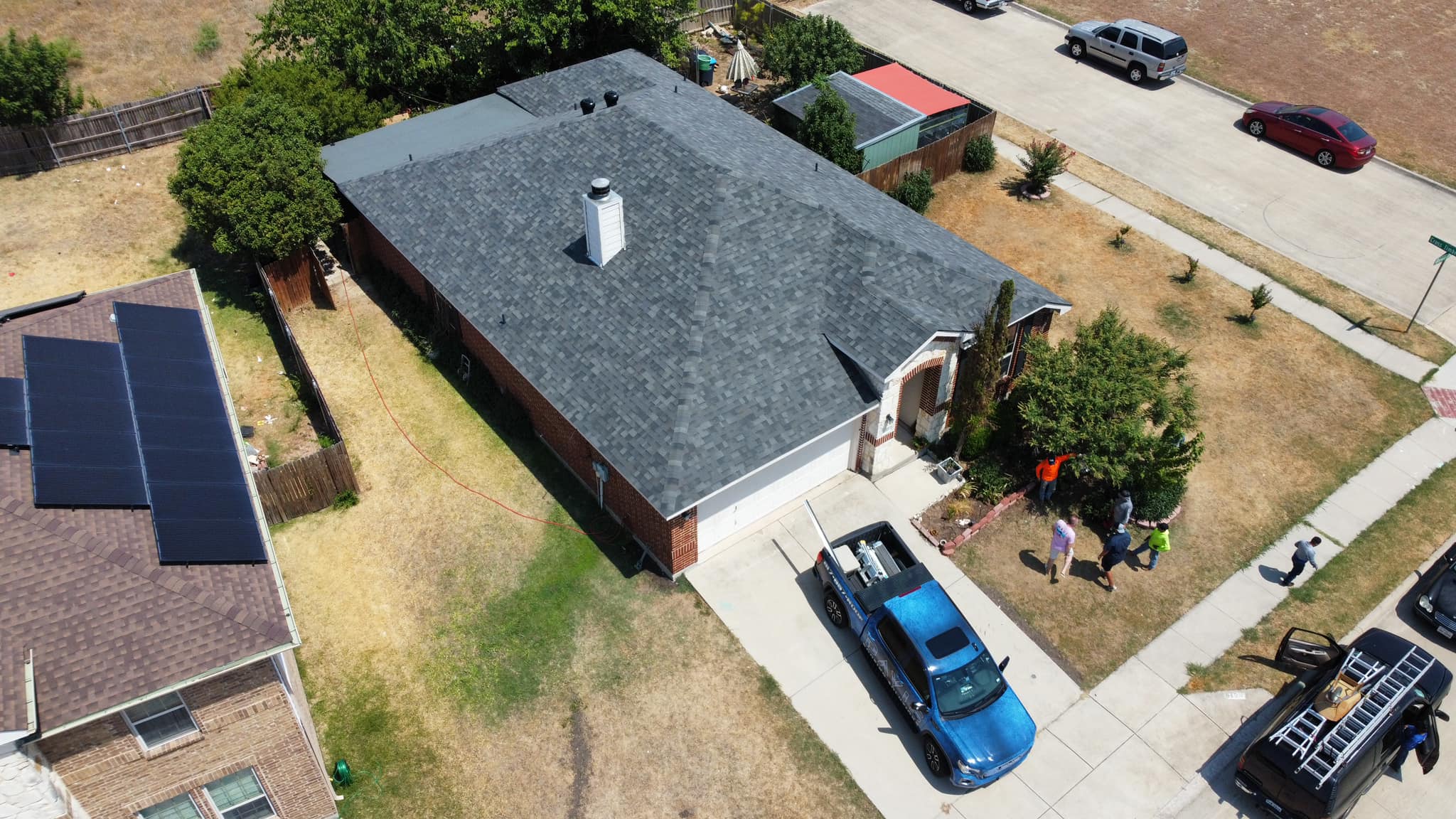
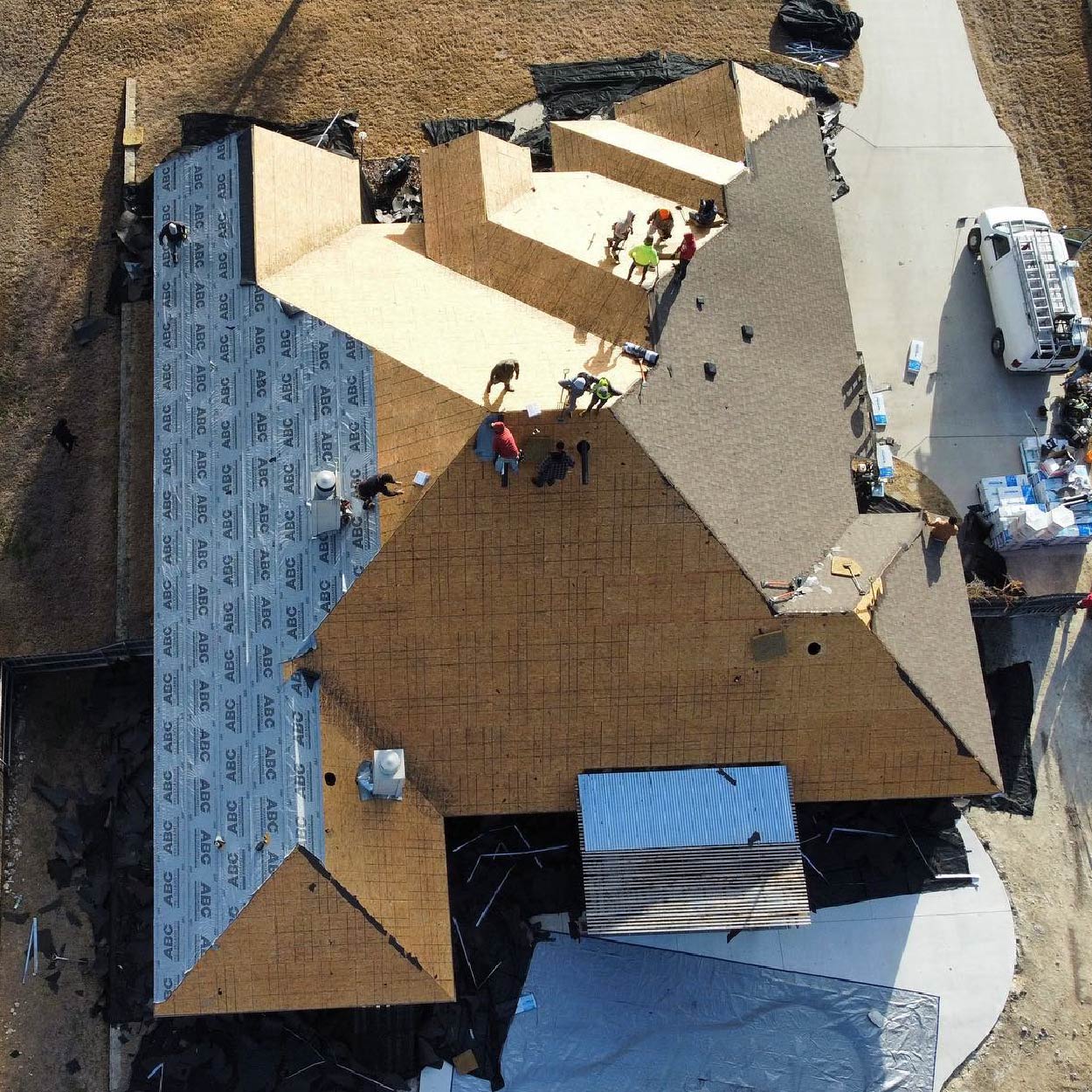
Truth is, the roof is the one part of a Crandall home nobody ever looks at up close, and it takes a beating the yard never lets on. Long hot summers, hail and hard wind every spring, and years of sun drying the oils out of the shingles all wear a Crandall roof out ahead of its age. A free inspection is nothing fancy, just an honest, close look at how the roof is really holding, before a little fault turns into a wet ceiling or a claim that gets tossed.
What we are actually looking for
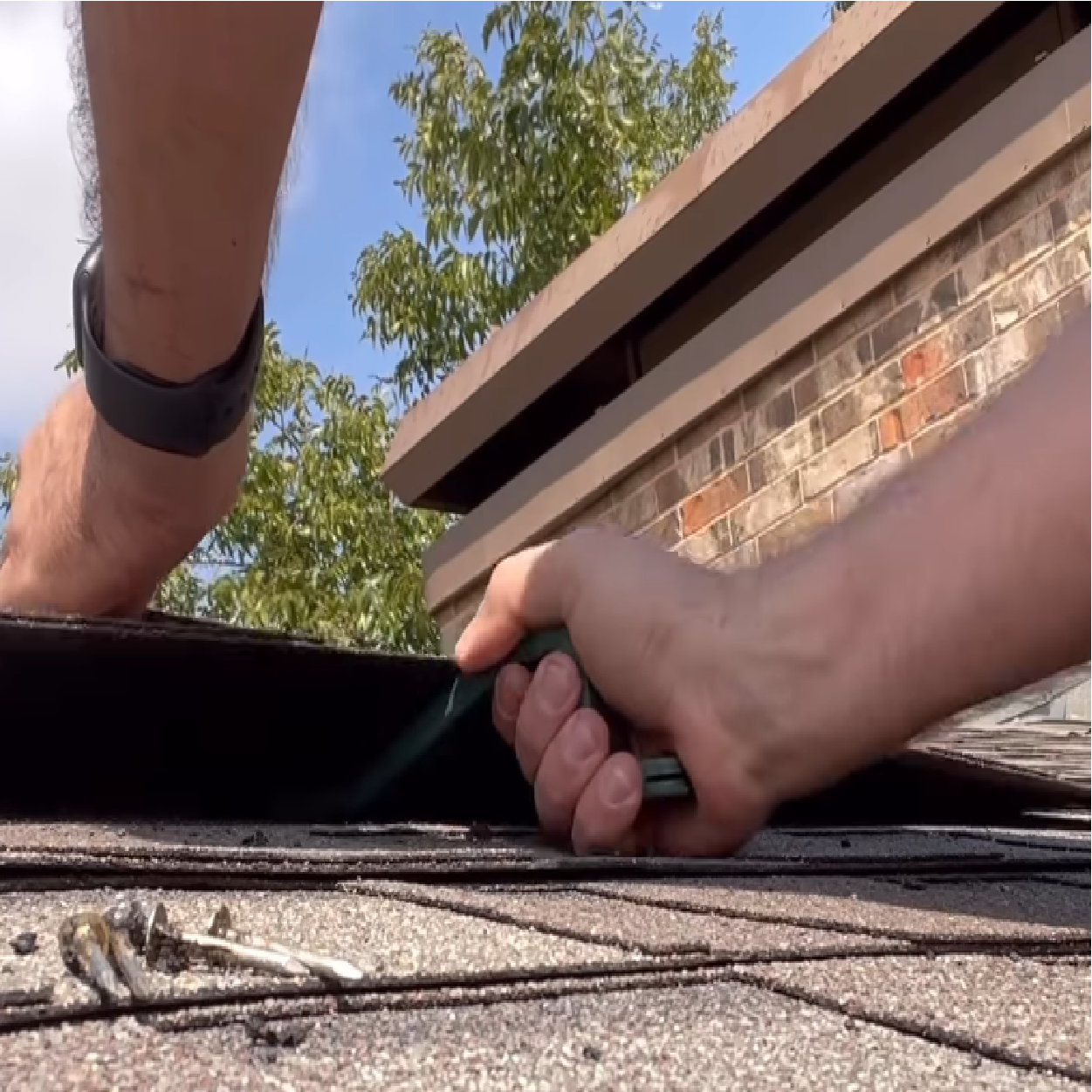
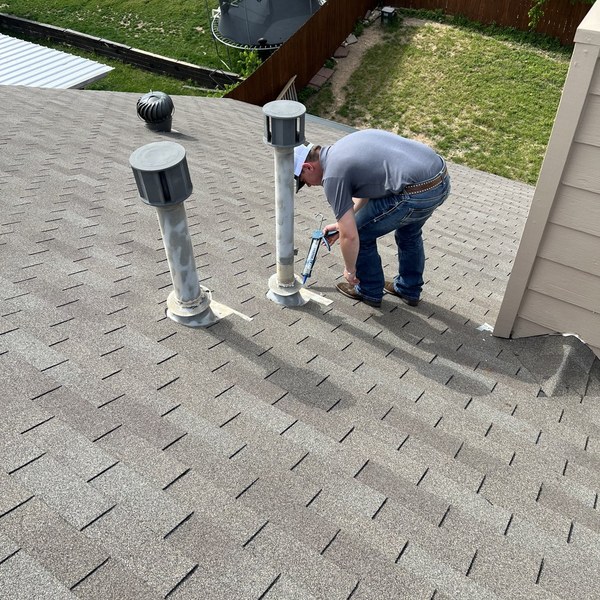
We do not call one look an inspection; we run a whole string of checks. Up on the field, we grade the brittle shingles, the thin spots, the lifted shingle edges, and the hail pockmarks. At every stack vent, louver vent, skylight frame, and wall flashing, we dig out the dried caulk and rotted plywood behind most Crandall leaks. At the peak line and the framing, we read the venting, because a roof that cannot breathe bakes itself. And up in the attic when it is safe, we catch a leak early, a stain patch, a sagging beam, a shaft of light, well before the shingles ever show it.
Why the attic and the photos matter
Around Crandall, a lot of what folks call an inspection is somebody sizing up the roof from the yard for five minutes. That is not how we do it. We walk the roof, get into the attic when it is worth it, and put every fault into close-up dated photos. Those photos do two jobs. They let you see just what we saw, so nothing rides on our word. And come a storm claim, dated photos are the proof an adjuster looks for, plenty of times the split between a claim covered and one brushed off.
What you walk away with
At the end, you get a plain answer, not a sales pitch: a grade on the roof, an honest count of the years it has left, and a straight word to fix it, replace it, or leave a good roof be. Turn up a fault and you get a written number with it, and after a storm, an honest read on whether a claim is worth filing. And since it is free with no strings, all of it is yours whether you call us back or not.