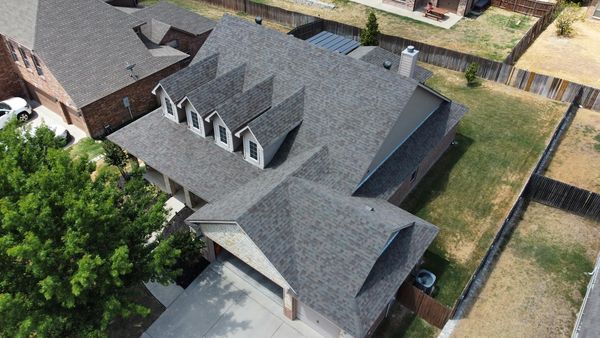
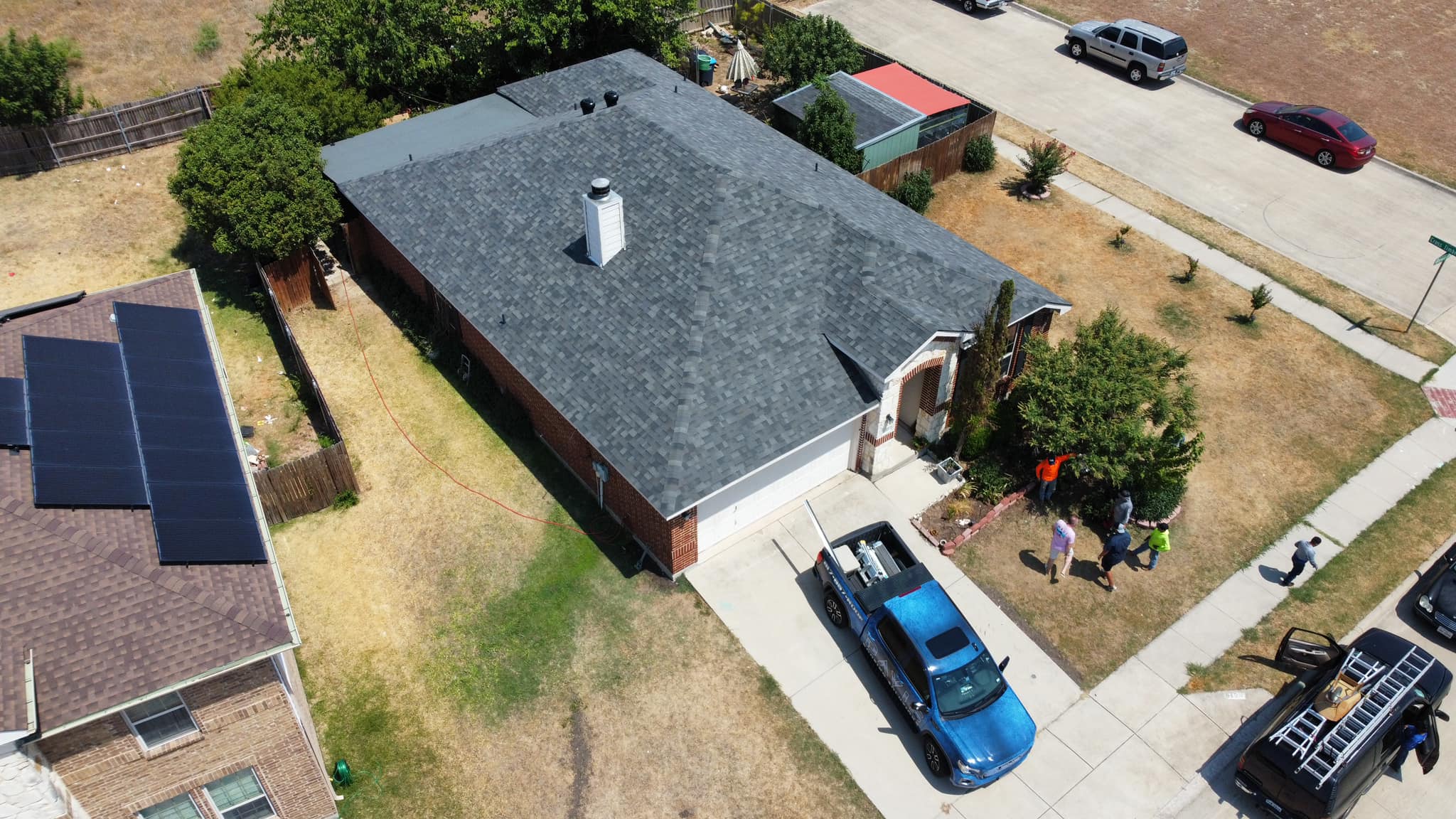
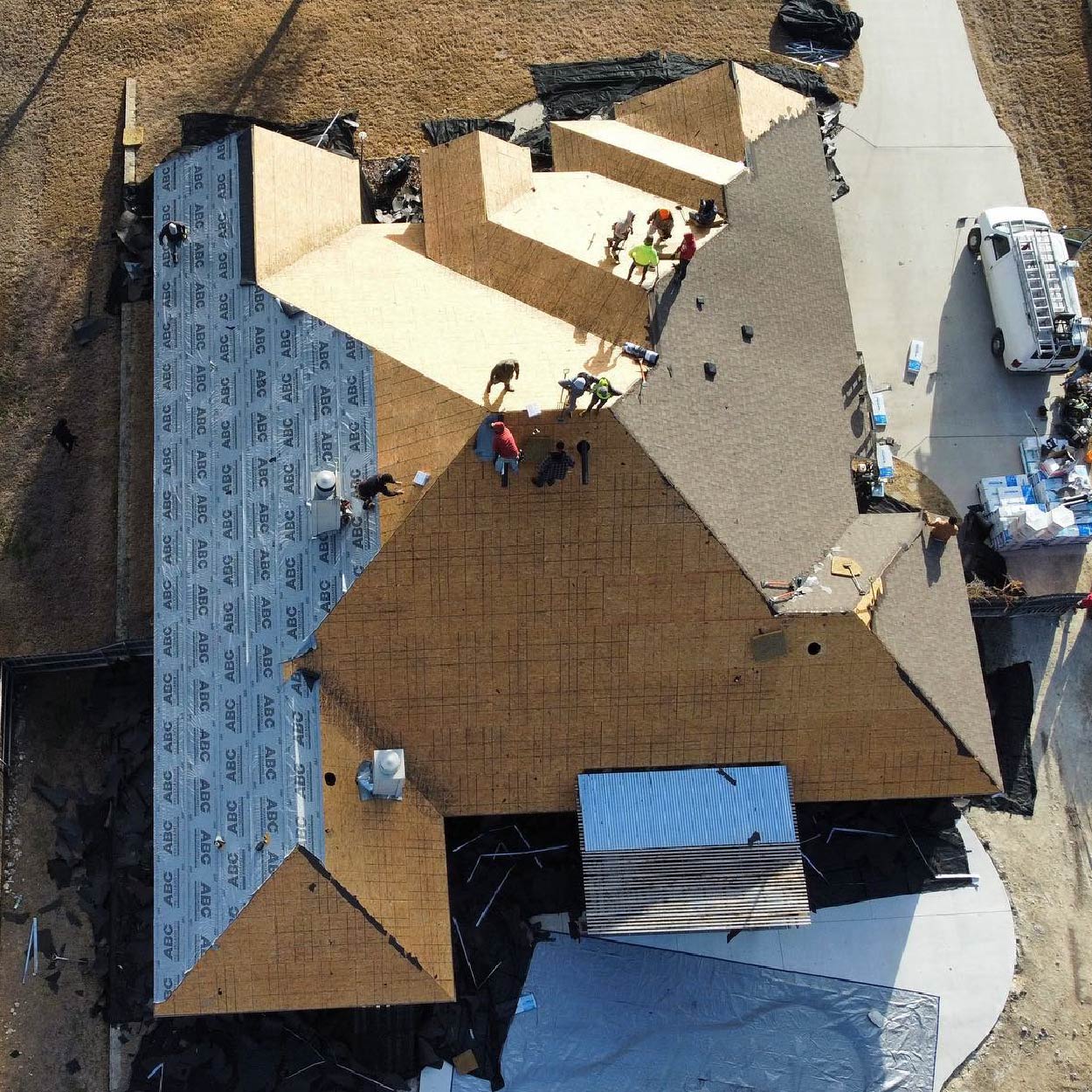
You rarely study your own roof, yet it carries the heaviest load on a Las Colinas home. The weather never lets up. Scorching summers wear it. Spring hail and gusting wind hit it. A hard sun dries the oils from the shingles. The roof ages past its years. An inspection reads it up close and tells you where it stands, before a small fault becomes a wet ceiling or a lost claim.
What we are actually looking for
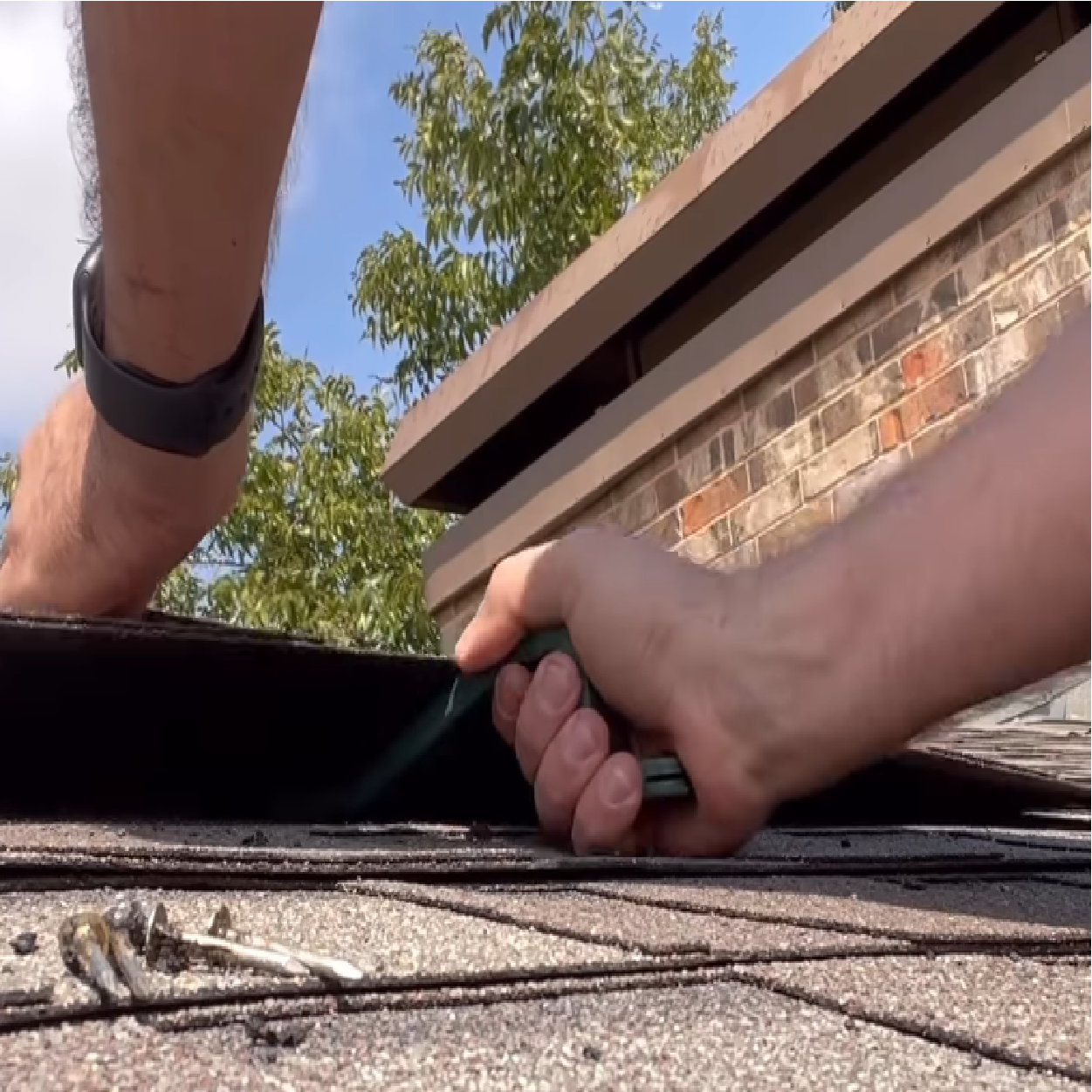
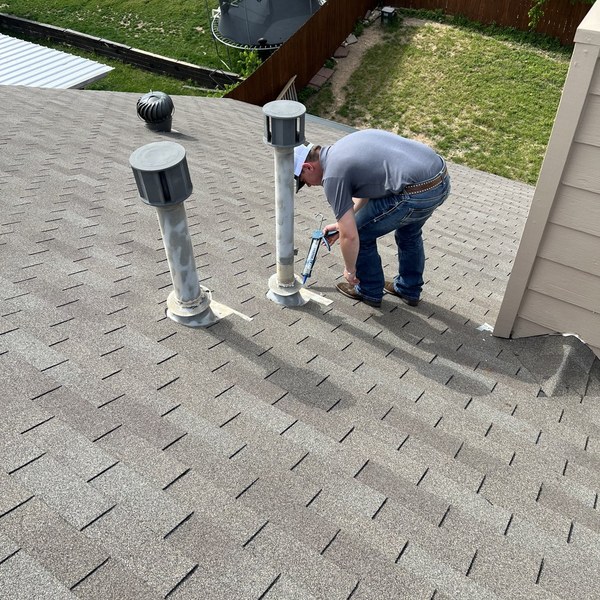
A real inspection is many checks, not one. The field gives us the sun-faded shingles, the thinning coverage, the peeling tabs, and the hail bruising. Each soil stack, attic vent, curb-mounted skylight, and wall flashing gives up the hardened caulk and swollen sheathing behind most Las Colinas leaks. The ridgeboard and the beams give us the venting; a starved roof cooks itself. And the attic gives up a leak early, a moisture stain, a spongy panel, a thread of daylight, long before the shingles do.
Why the attic and the photos matter
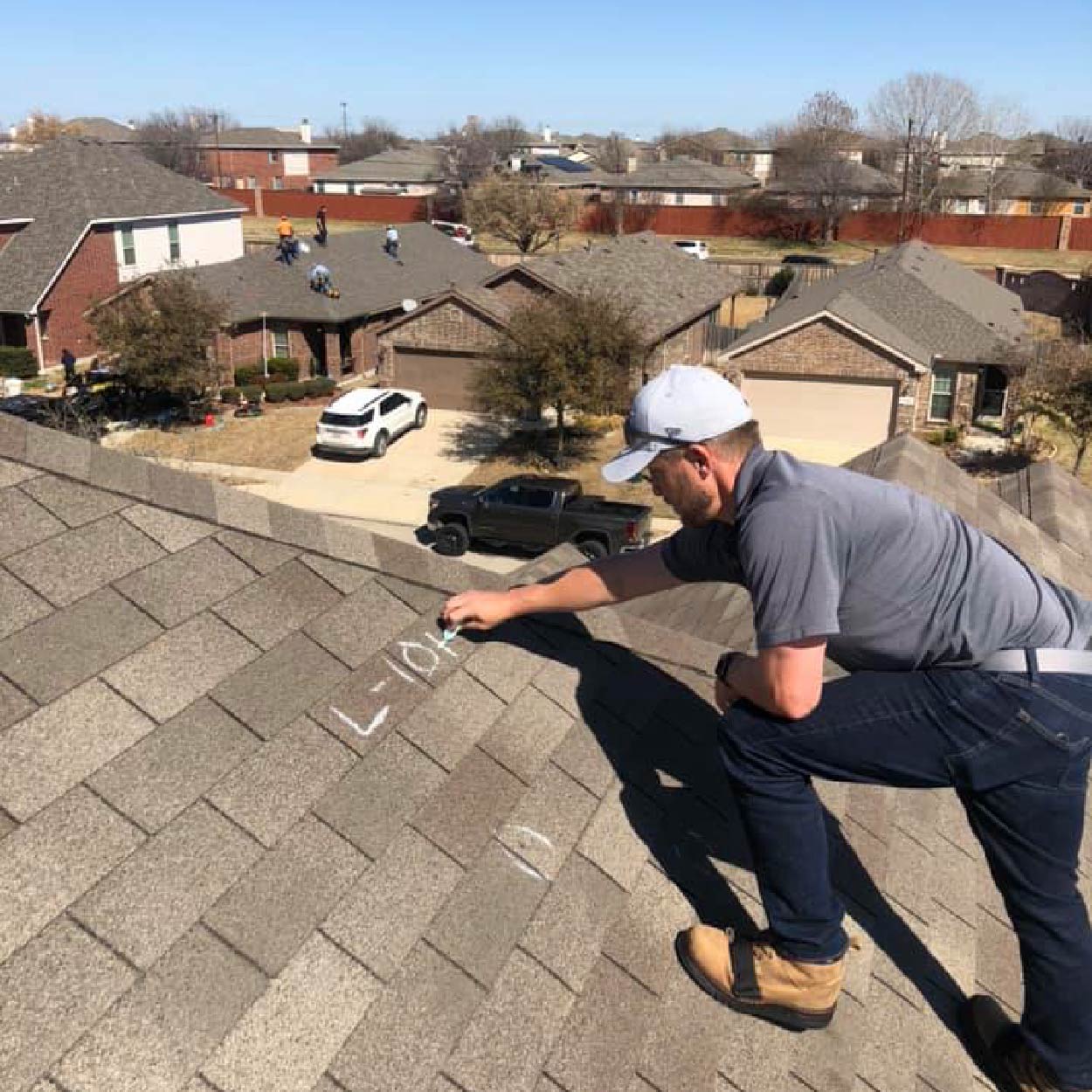
Most Las Colinas inspections are a quick once-over from the driveway by a rep. Ours is a full climb. Our inspector walks the roof, enters the attic when it counts, and records every fault in dated, detailed photos. Those photos show you exactly what we found. Nothing rests on our word. And after a storm, dated photos are what an adjuster wants, often the difference between a claim settled and one shorted.
What you walk away with
No pitch, just an honest summary. A Las Colinas inspection ends with a rating on the roof, a fair count of the years it has left, and a clear call to repair, replace, or leave a sound roof alone. Any fault comes with a written estimate. After a storm, a straight read on whether a claim is worth filing. It is free, no strings, and all of it is yours whether you hire us or not.