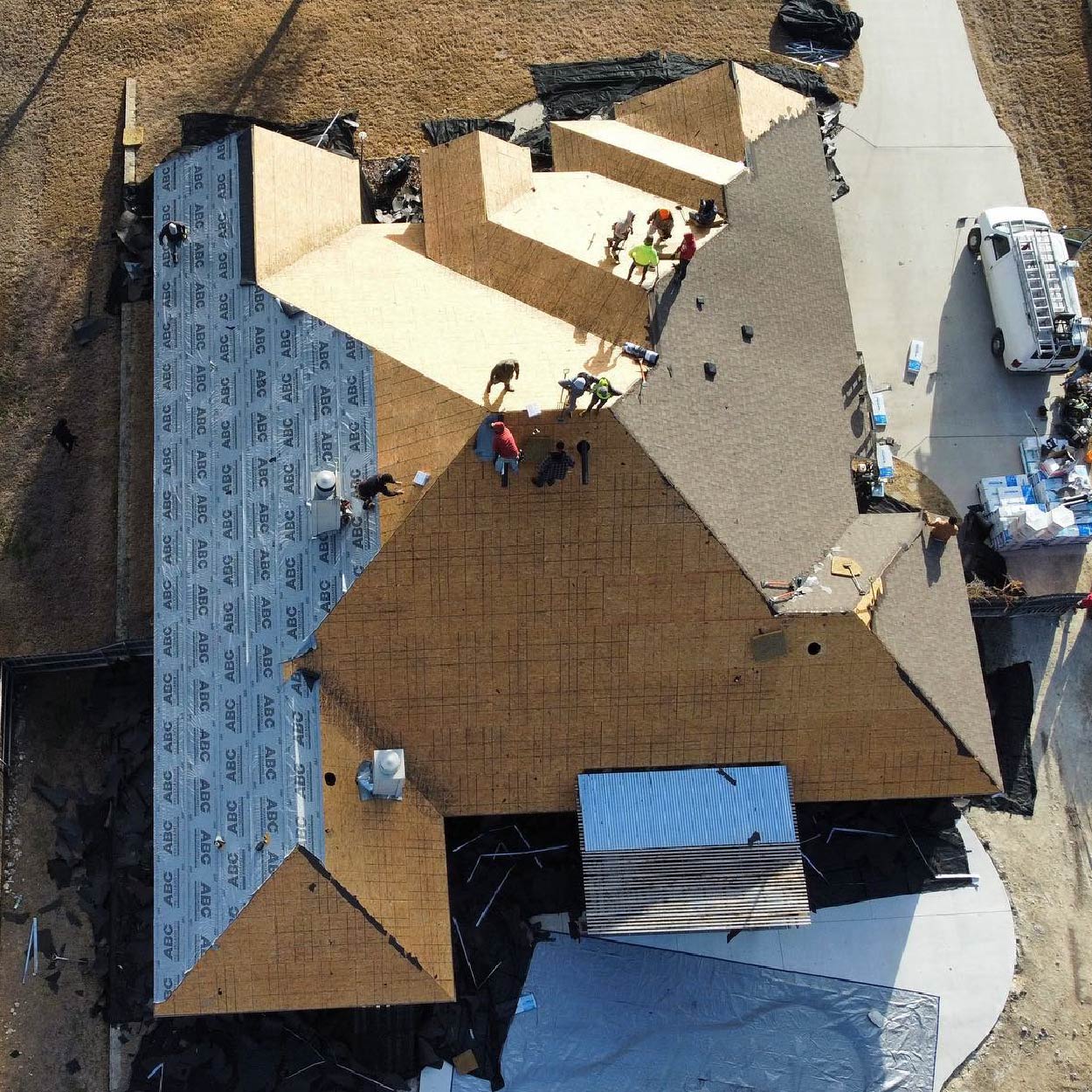
Come summer, the heat bakes your Garland roof. Come spring, the hail and hard wind batter it. Come year after year, the sun draws the oils from the shingles. And all the while, it is the part of the home you look at least, so the roof ages past its years without a word. An inspection reads how it is really holding, honest and up close, before a small fault turns into a wet ceiling or a tossed claim.
What we are actually looking for
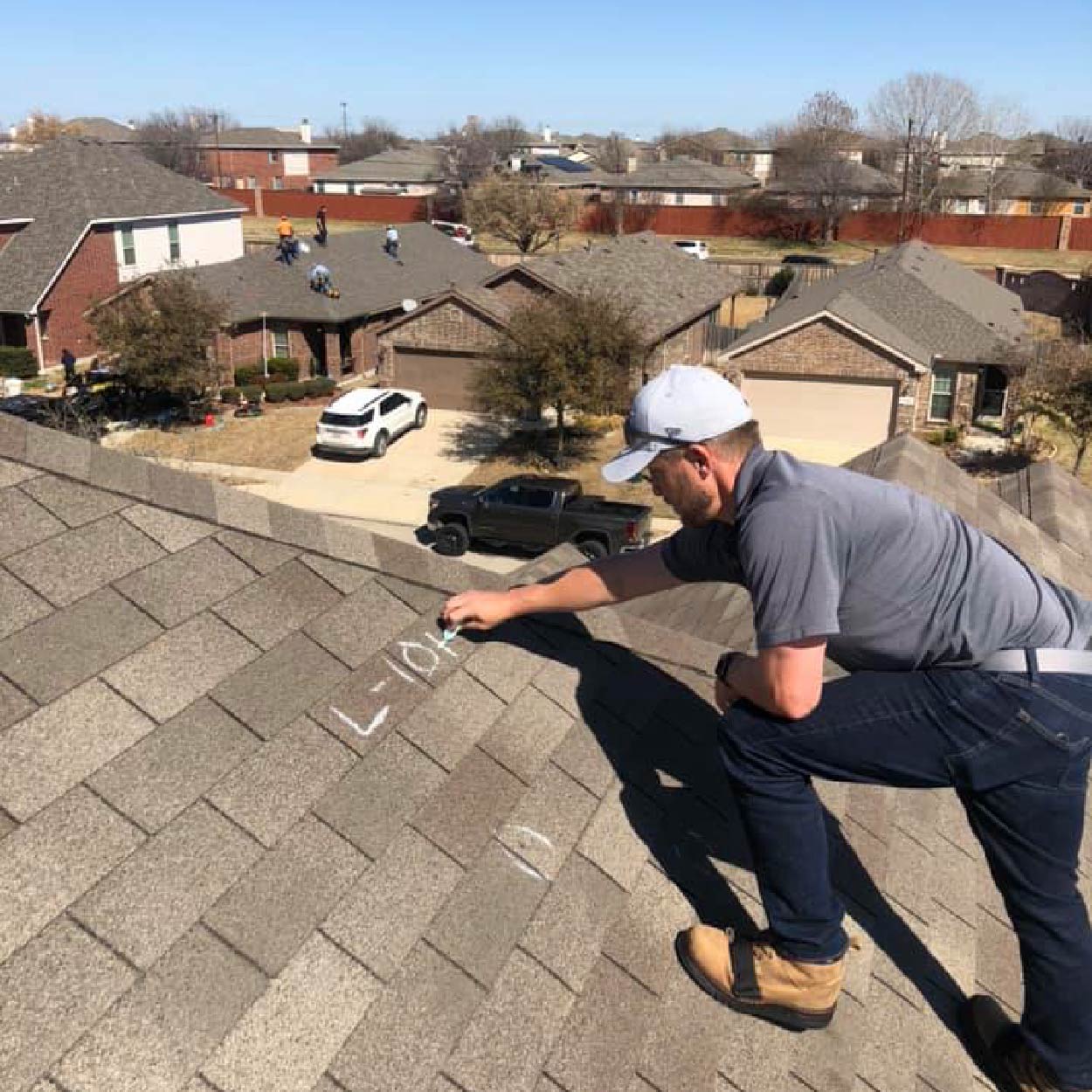
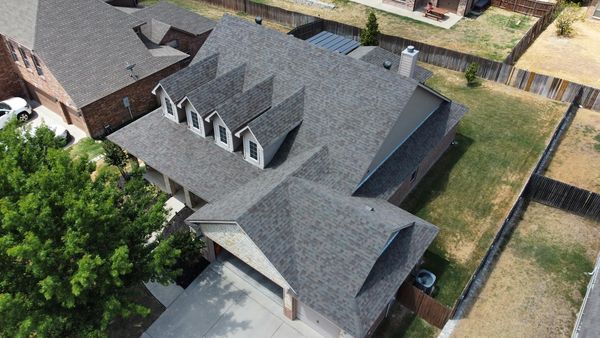
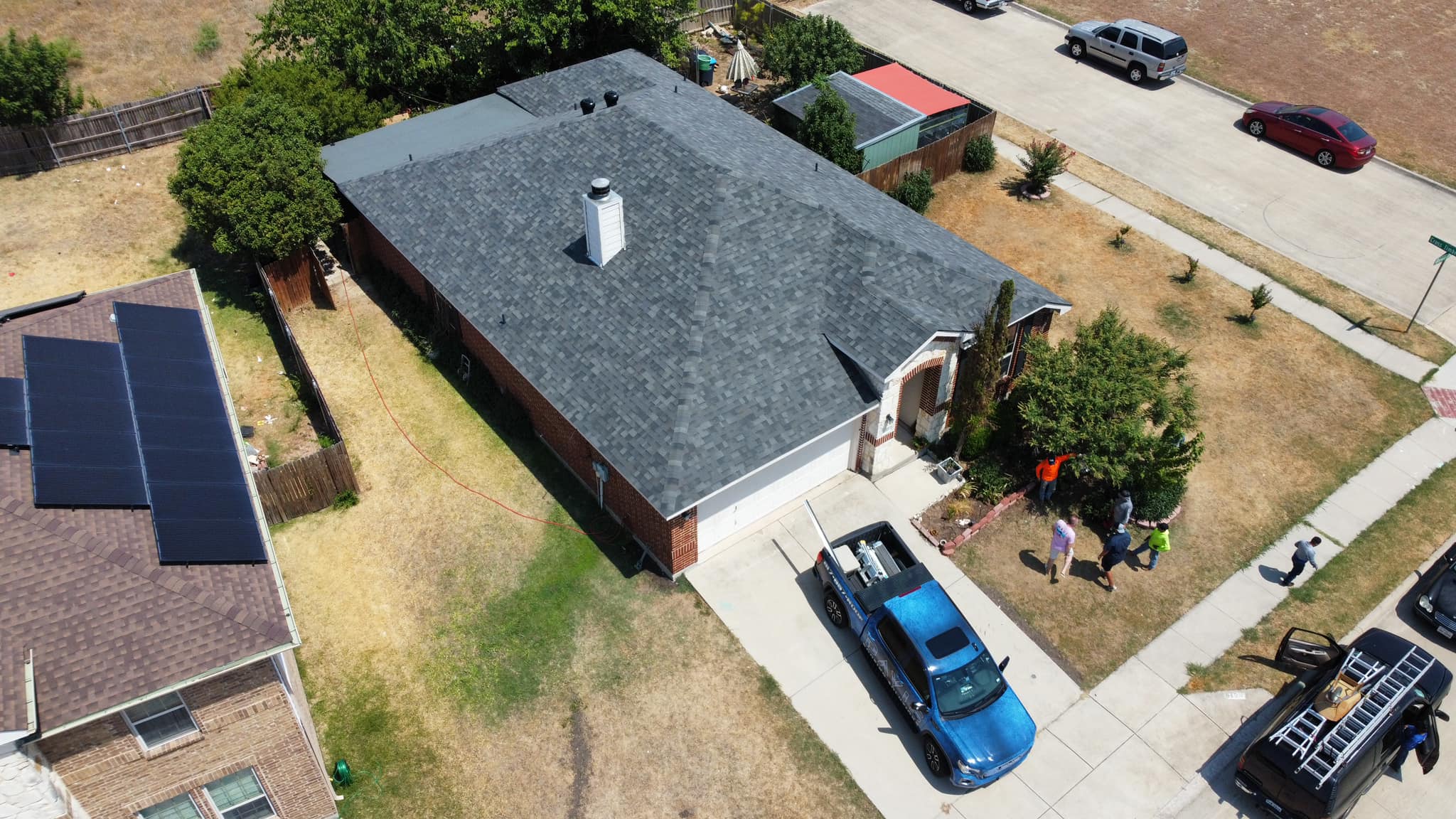
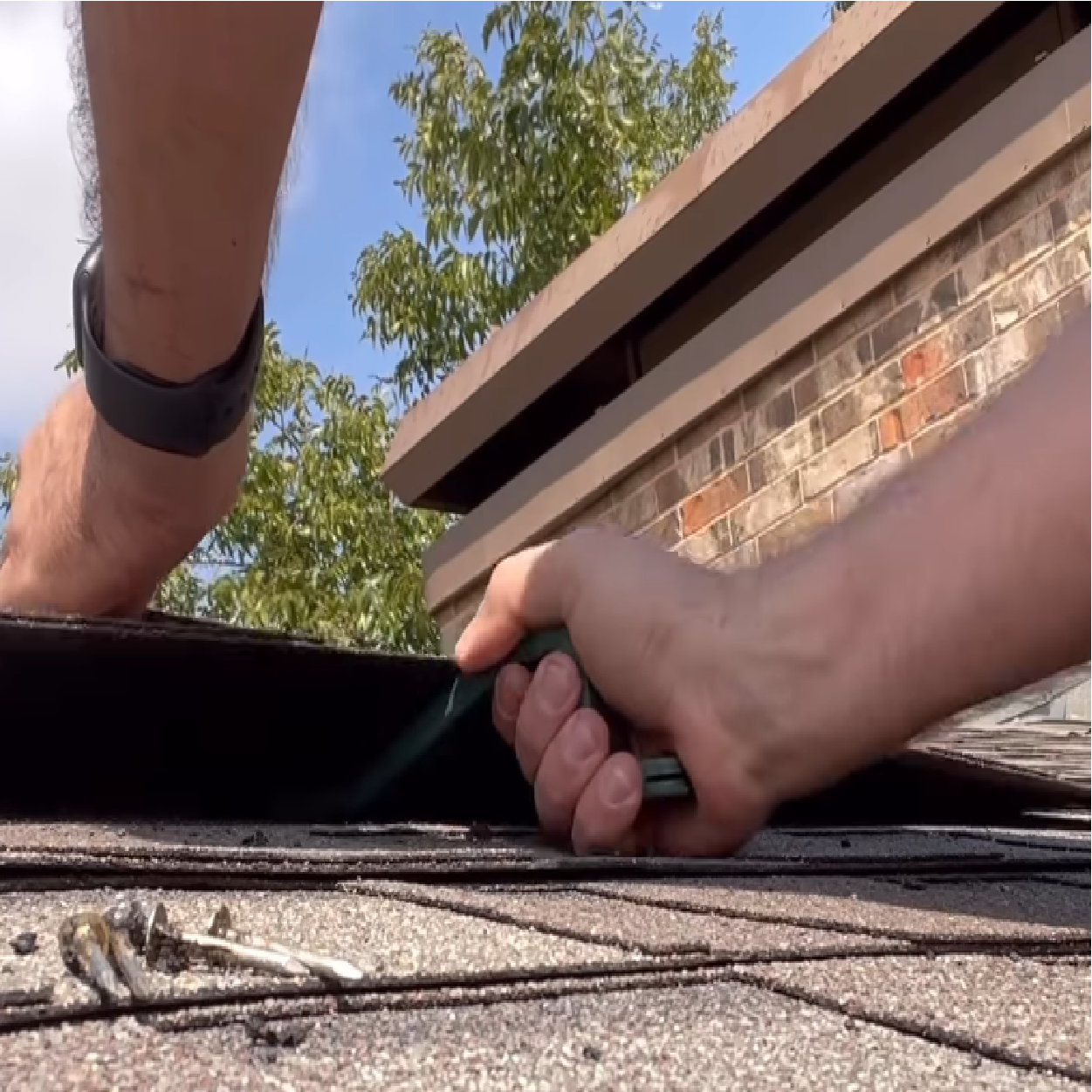
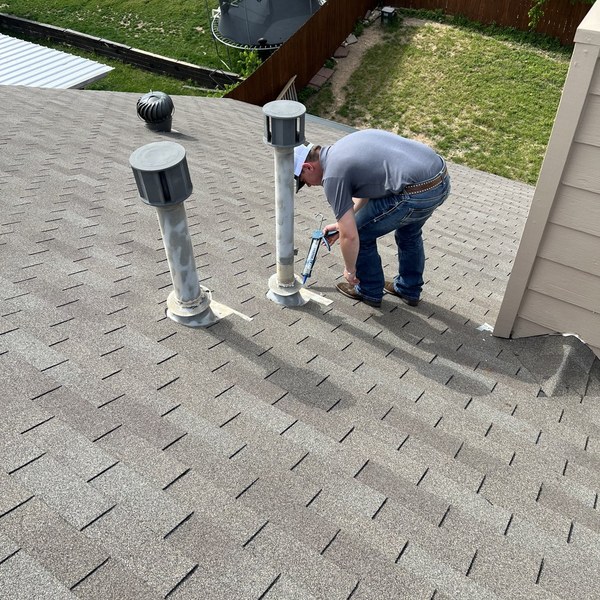
One glance never covers a roof, so an inspection is a run of checks. On the field, the sun-bleached shingles, the bare granule spots, the clawing tabs, and the hail nicks. At every vent shroud, attic turbine, skylight seal, and wall flashing, the brittle mastic and soft roof board behind most Garland leaks. At the peak beam and the rafters, the venting, because a roof that cannot breathe cooks itself. And in the attic, a leak at its start, a damp shadow, a soft joist, a chink of light, well before the shingles show it.
Why the attic and the photos matter
Come the usual Garland inspection, you get a rep who reads the roof from ground level for five minutes. Come ours, you get a full climb, the attic when it earns it, and every fault in dated photos up close. Those photos let you see exactly what we found, so nothing rides on talk. And come a storm claim, dated photos are what an adjuster wants, often the line between a claim that pays and one that dies on the desk.
What you walk away with
Come the end of a Garland inspection, you get a straight readout, not a pitch: a grade on the roof, an honest count of the years it has left, and a plain call to fix it, replace it, or leave a sound roof be. Find a fault and you get a written price tag with it, and after a storm, an honest read on whether a claim is worth filing. And come the bill, there is none, no strings, so all of it is yours whether you hire us or not.