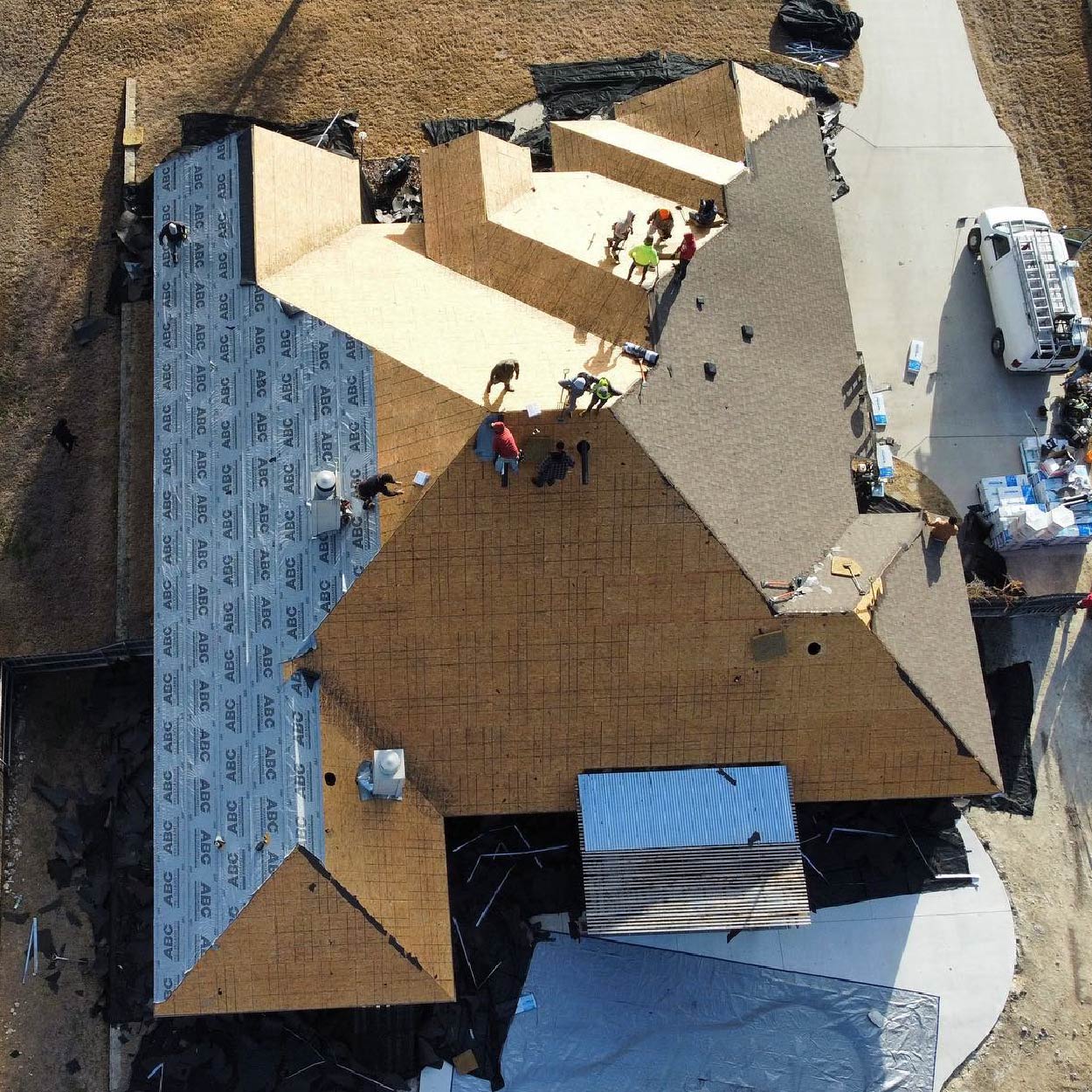
Easy to overlook, the roof is the part of a Rockwall home you study least while it bears the most. Brutal in summer, punishing in spring with hail and hard wind, and relentless in sun that draws the oils from the shingles, the weather ages the roof past its years. Smart, then, to get an inspection, an honest, close read on how the roof is really holding, before a small fault becomes a wet ceiling or a tossed claim.
What we are actually looking for
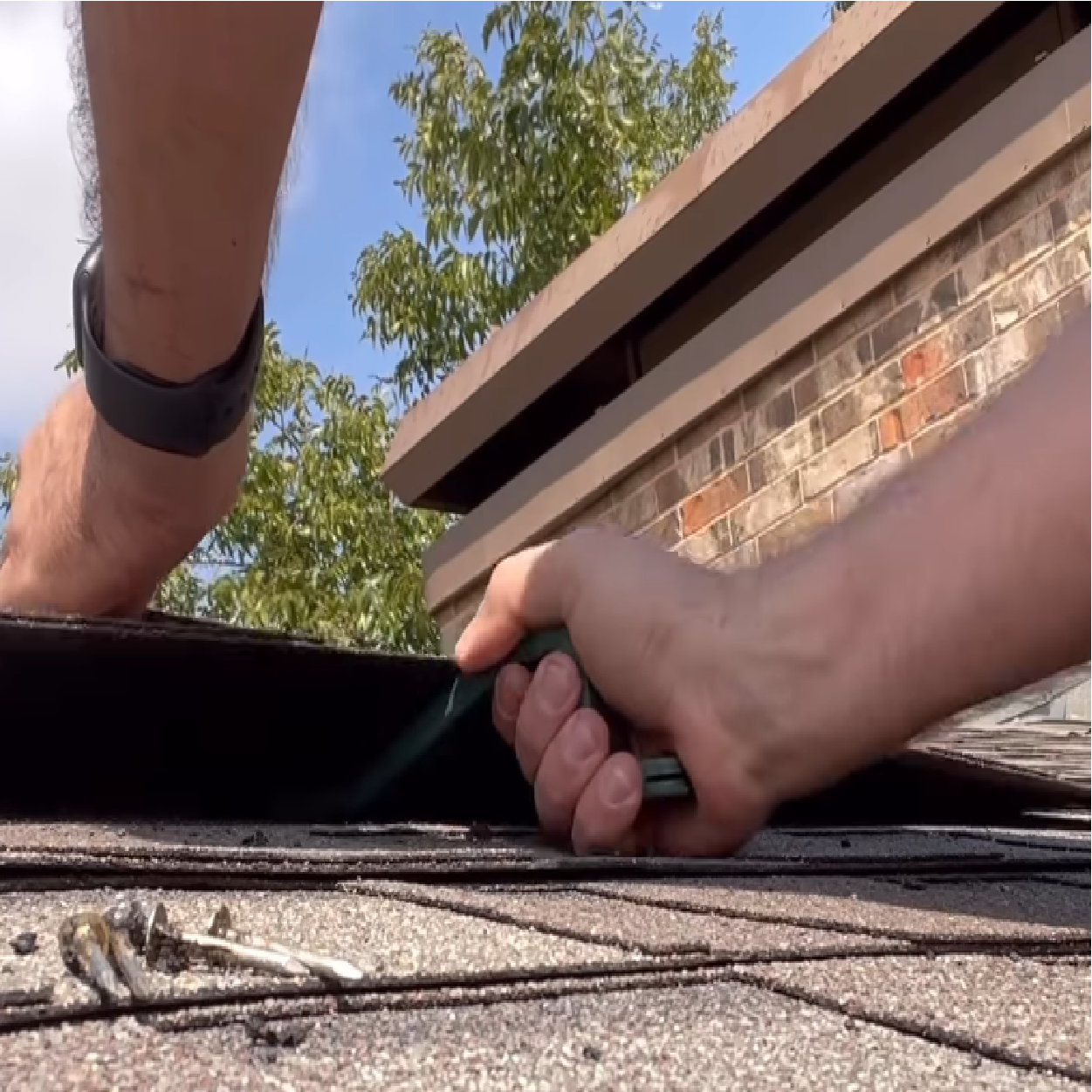
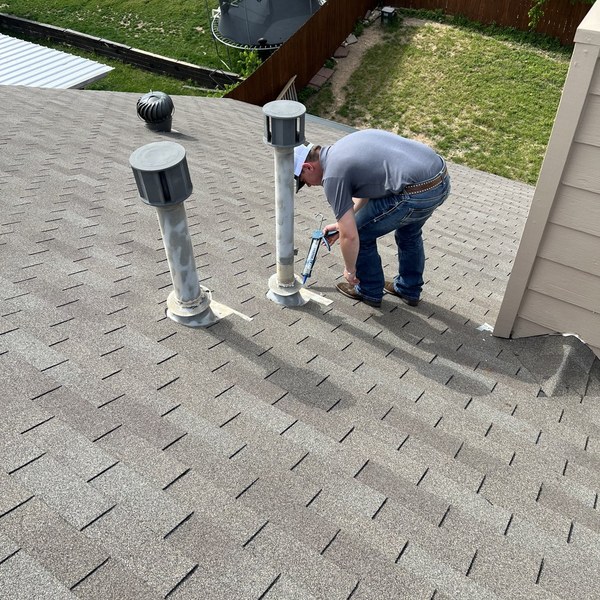
Never enough, one glance; a run of checks is the real thing. Plain on the field are the gray shingles, the granule scour, the humped tabs, and the hail scoring. Hidden at every grate vent, box exhaust, skylight flashing, and wall flashing are the cracked bitumen and crumbly decking behind most Rockwall leaks. Telling at the ridge crown and the beams is the venting, since a roof that cannot breathe cooks itself. And clearest in the attic is the first sign of a leak, a wet halo, a sagging board, a strip of light, long before the shingles show it.
Why the attic and the photos matter
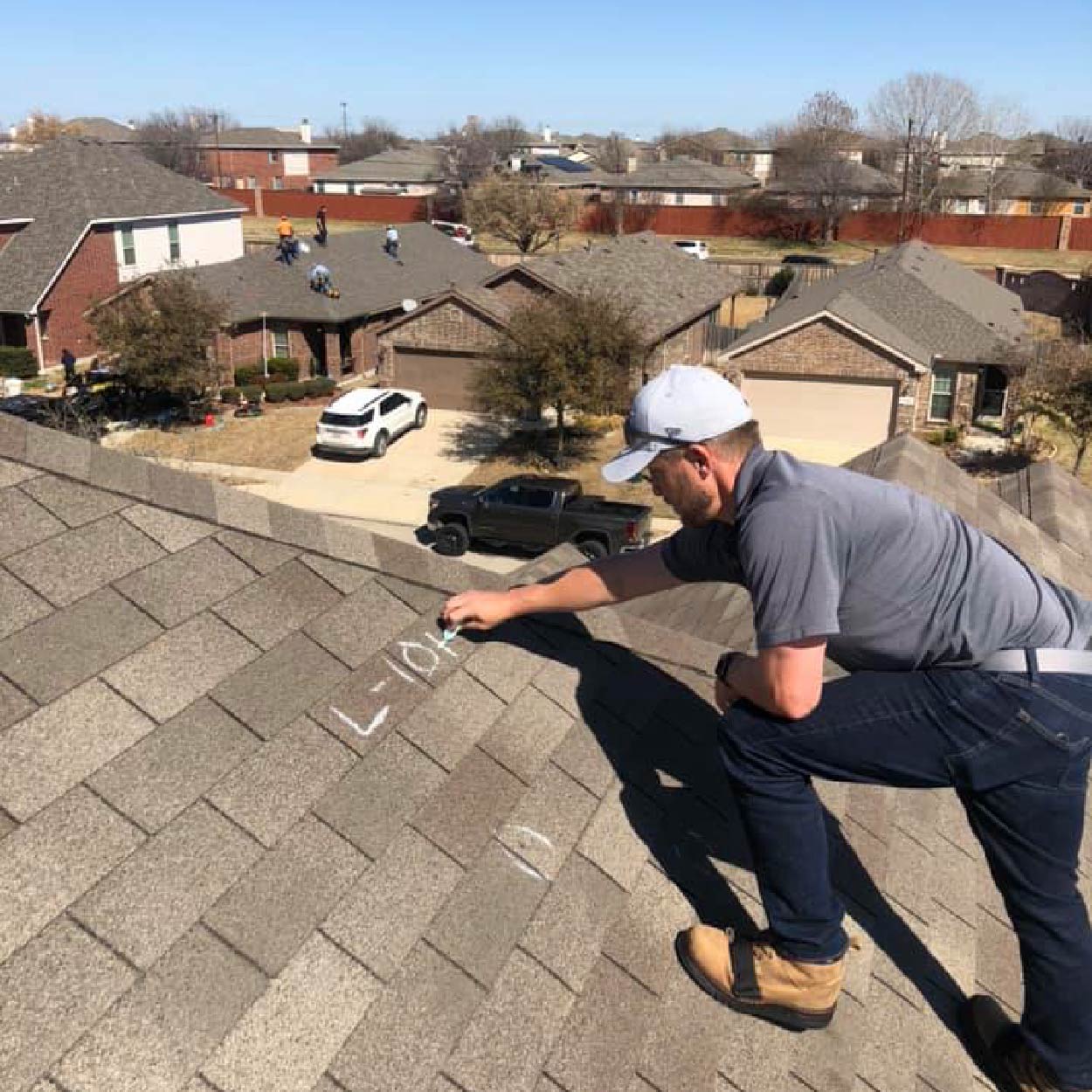
Common enough is the Rockwall inspection that is an estimator scanning your roof from the curb for five minutes. Different is ours. Thorough, our inspector walks the roof, enters the attic when it earns it, and catches every fault in dated tight photos. Clear, those photos let you see exactly what we found, so nothing rides on talk. And decisive after a storm, dated tight photos are what an adjuster wants, often the line between a claim that clears and one that sinks.
What you walk away with
Blunt, not polished, the ending of a Rockwall inspection is a plain verdict: a grade on the roof, an honest count of the years it has left, and a clear call to repair, replace, or leave a sound roof alone. Priced, any fault comes with a written estimate, and after a storm, an honest read on whether a claim is worth filing. Free and no-strings, all of it is yours whether you hire us or not.