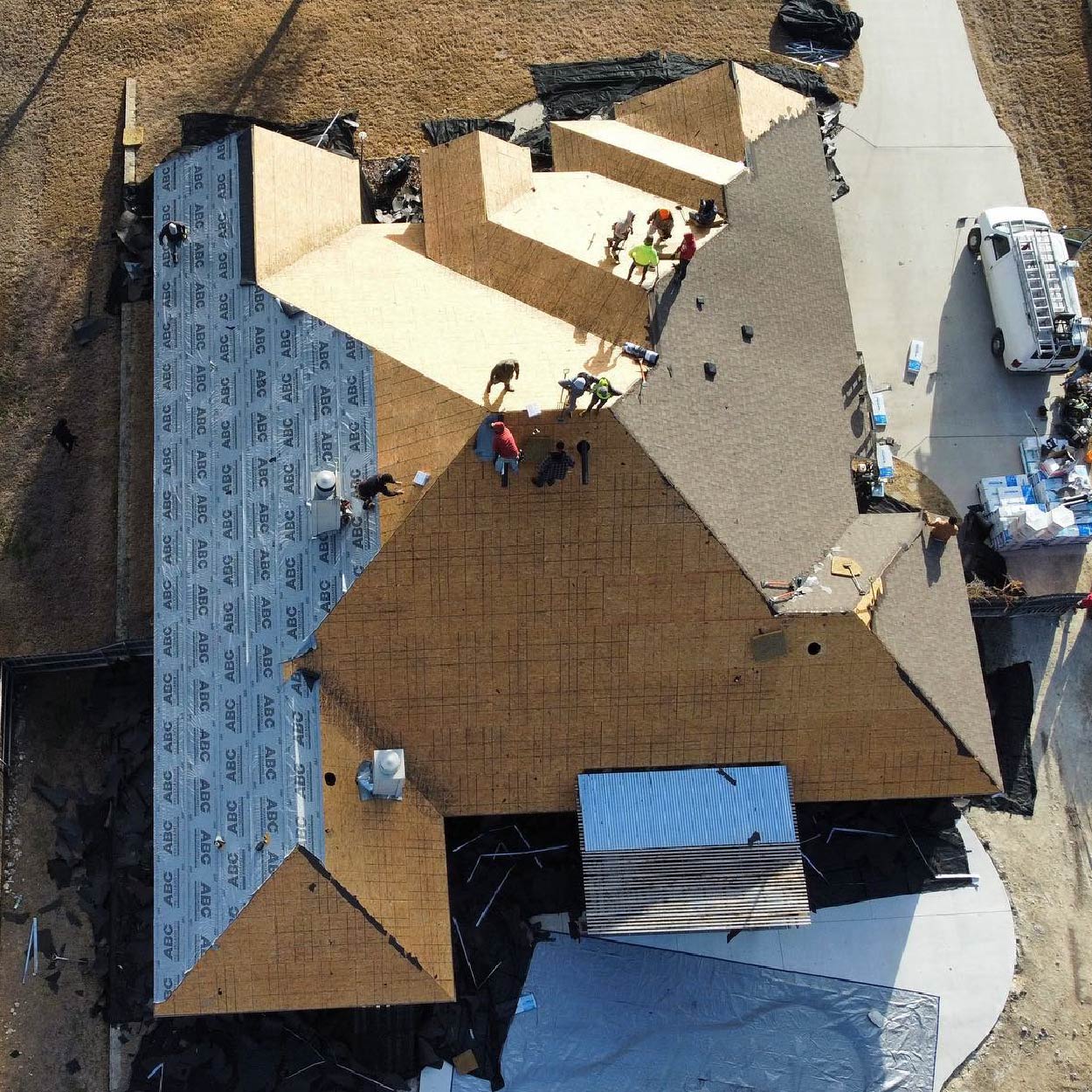
Heat weakens the shingles, the shingles shed their granules, and bare shingles crack, so a Mesquite roof ages faster than its years, and all the while it is the part of the home you look at least. Hail bruises it, wind lifts it, and the sun draws the oils out of it, one blow leading to the next. An inspection breaks the chain early, an honest, close read on how the roof is really holding, before a small fault turns into a wet ceiling or a tossed claim.
What we are actually looking for
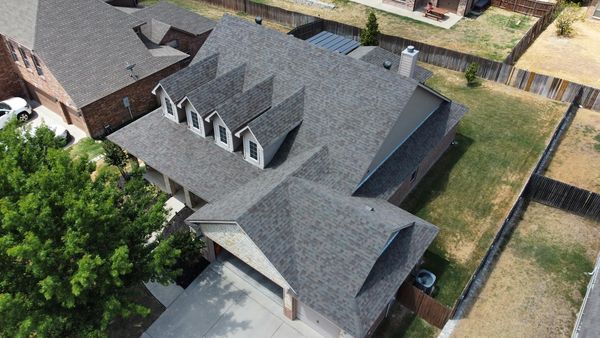
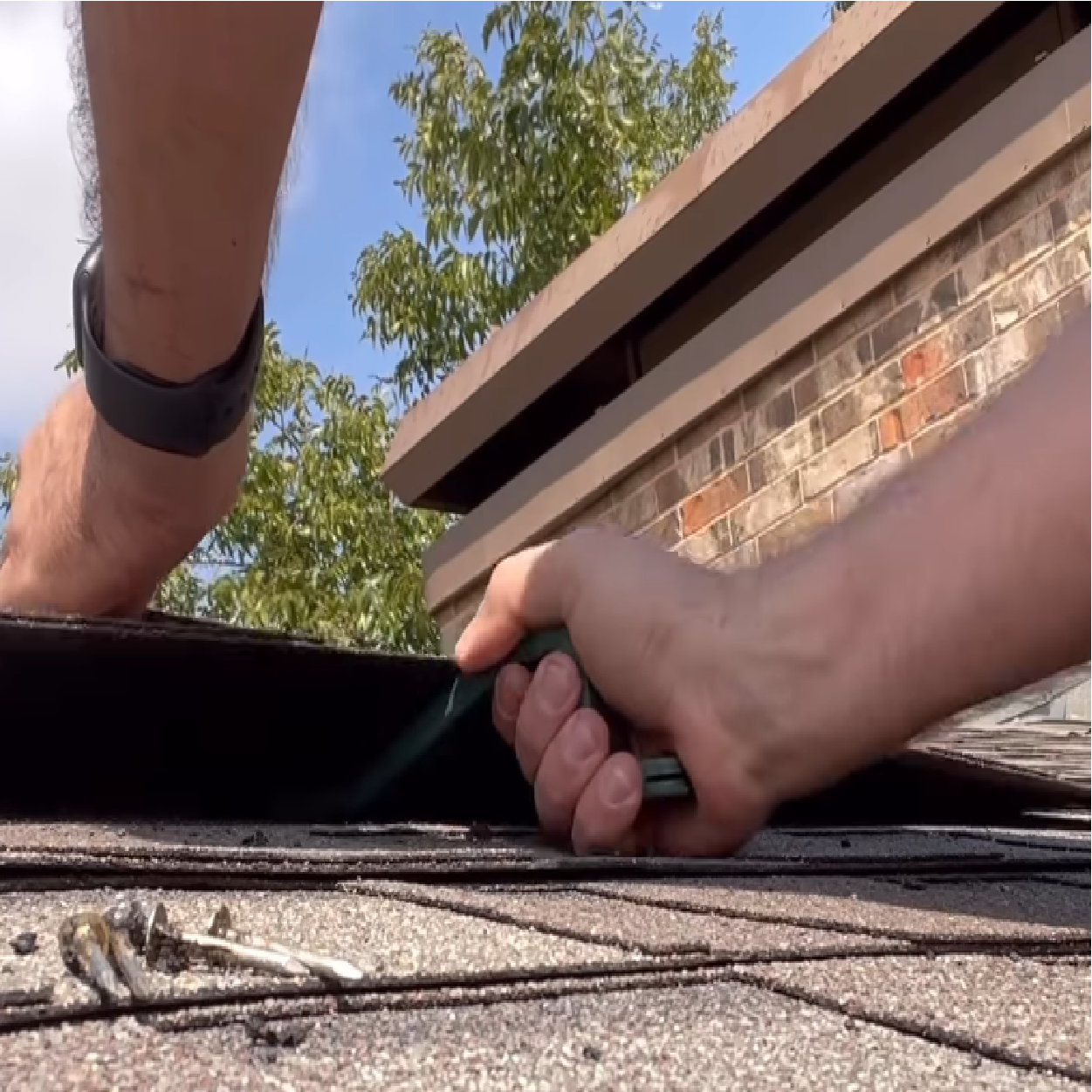
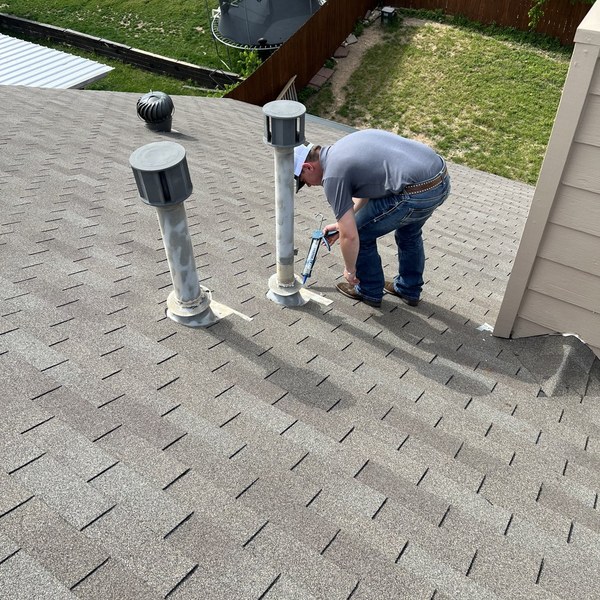
One glance leads nowhere, so an inspection is a run of checks. A worn field shows spent shingles, granule wear, flapping tabs, and hail dinging. A failed joint at any attic fan, plumbing jack, skylight glazing, or wall flashing lets in the water behind most Mesquite leaks, through failed roof cement and punky rafters. A choked ridge and attic bake the roof, so we read the venting at the roof crest and the studs. And a hidden leak shows in the attic first, a leak halo, a spongy board, a fleck of light, long before the shingles give it away.
Why the attic and the photos matter
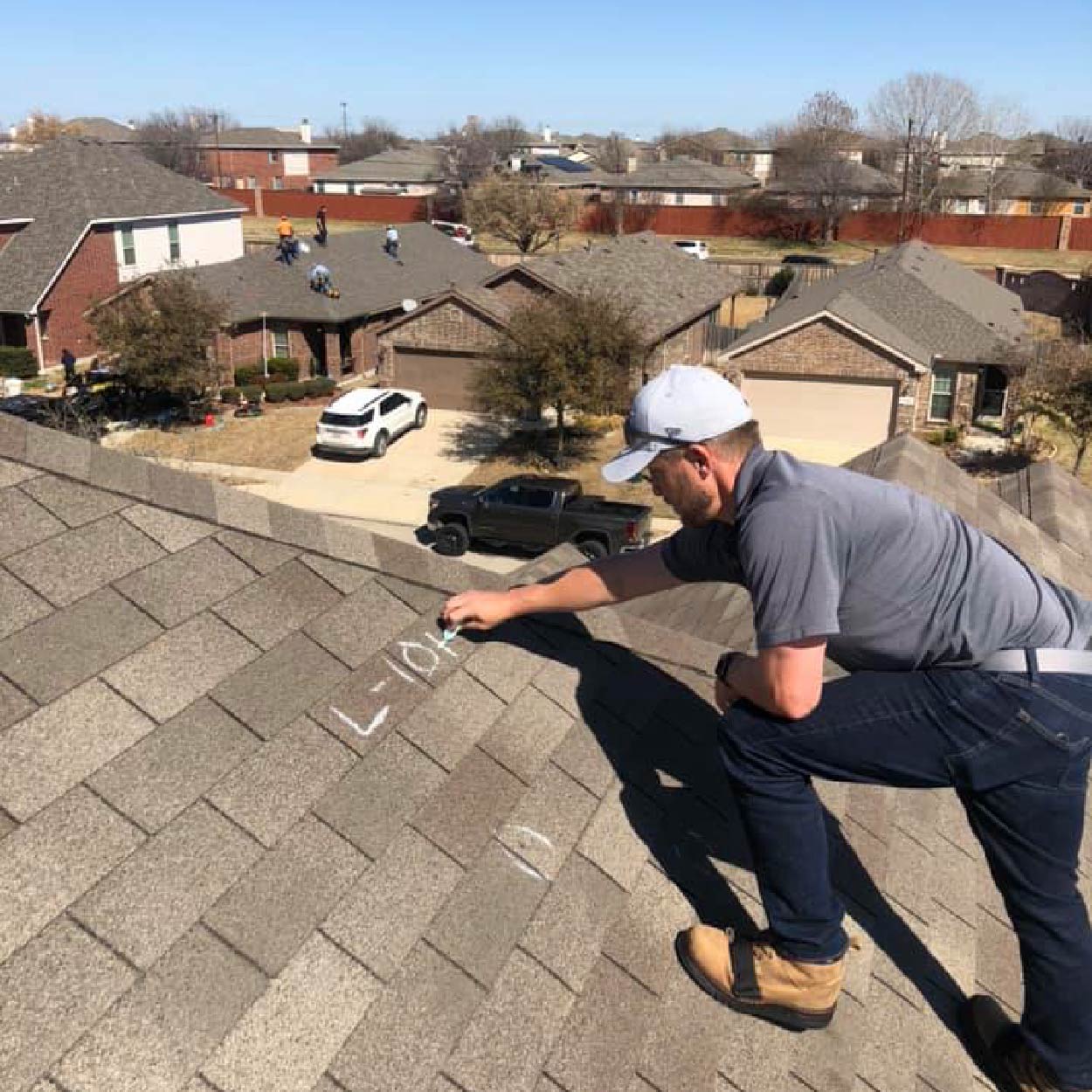
A rep who checks your Mesquite roof from the yard for five minutes calls it an inspection, and that leads to nothing. Our roofer climbs the roof, drops into the attic when it earns it, and shoots every fault in dated close photos, which leads somewhere: you see exactly what we found, so nothing rides on talk. And a storm claim backed by dated close photos leads to a payout, because that is what an adjuster wants, often the line between a claim that pays and one that gets denied.
What you walk away with
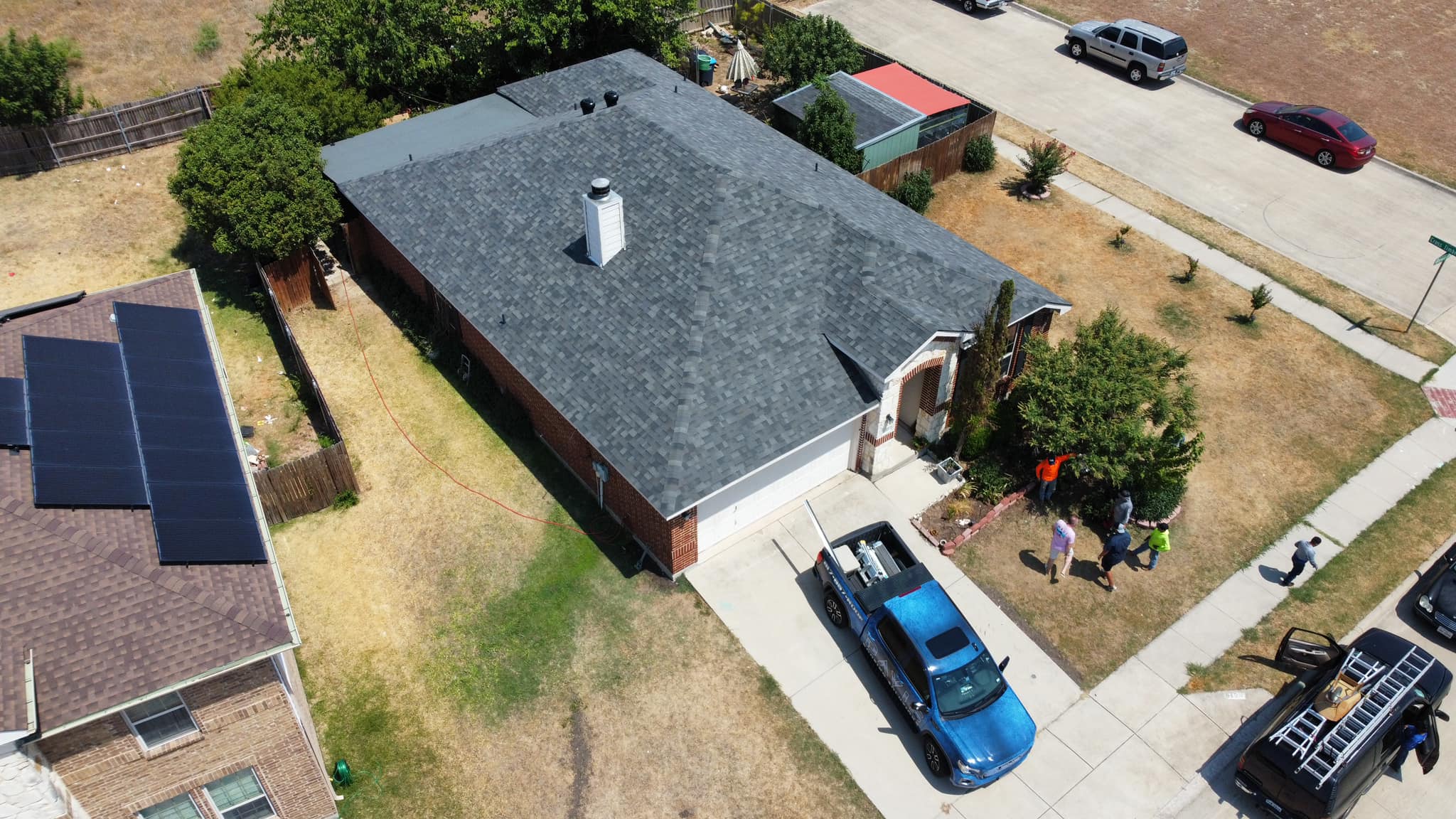
A Mesquite inspection leads to a straight read, not a pitch: a grade on the roof, an honest count of the years it has left, and a plain call to fix it, replace it, or leave a sound roof be. A fault we find leads to a written price, and a storm leads to an honest read on whether a claim is worth filing. And a free inspection with no strings leads to this: all of it is yours whether you hire us or not.