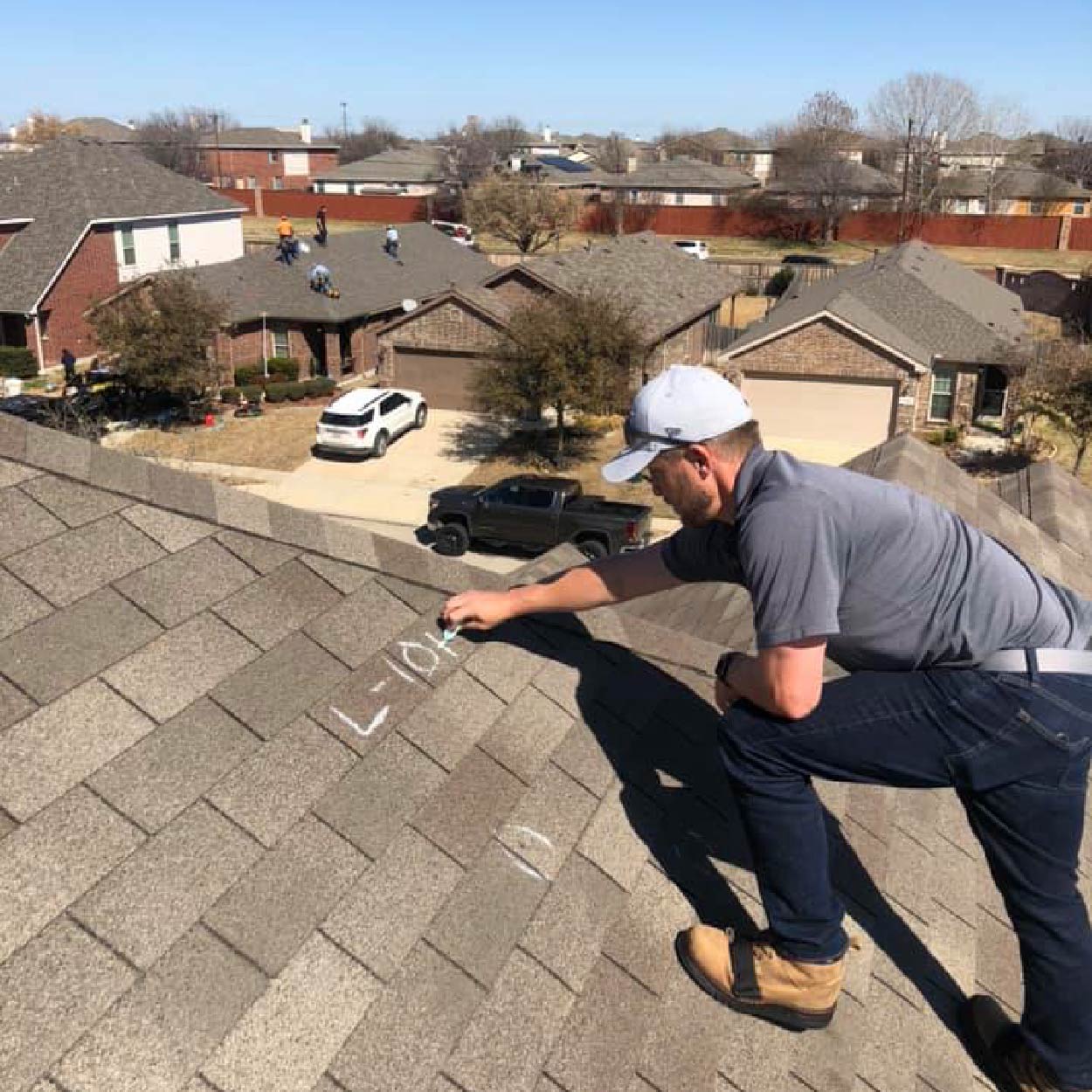
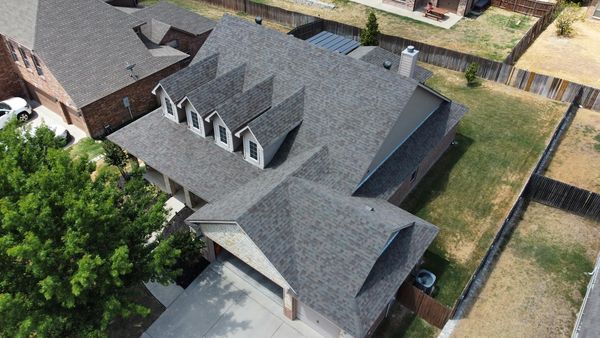
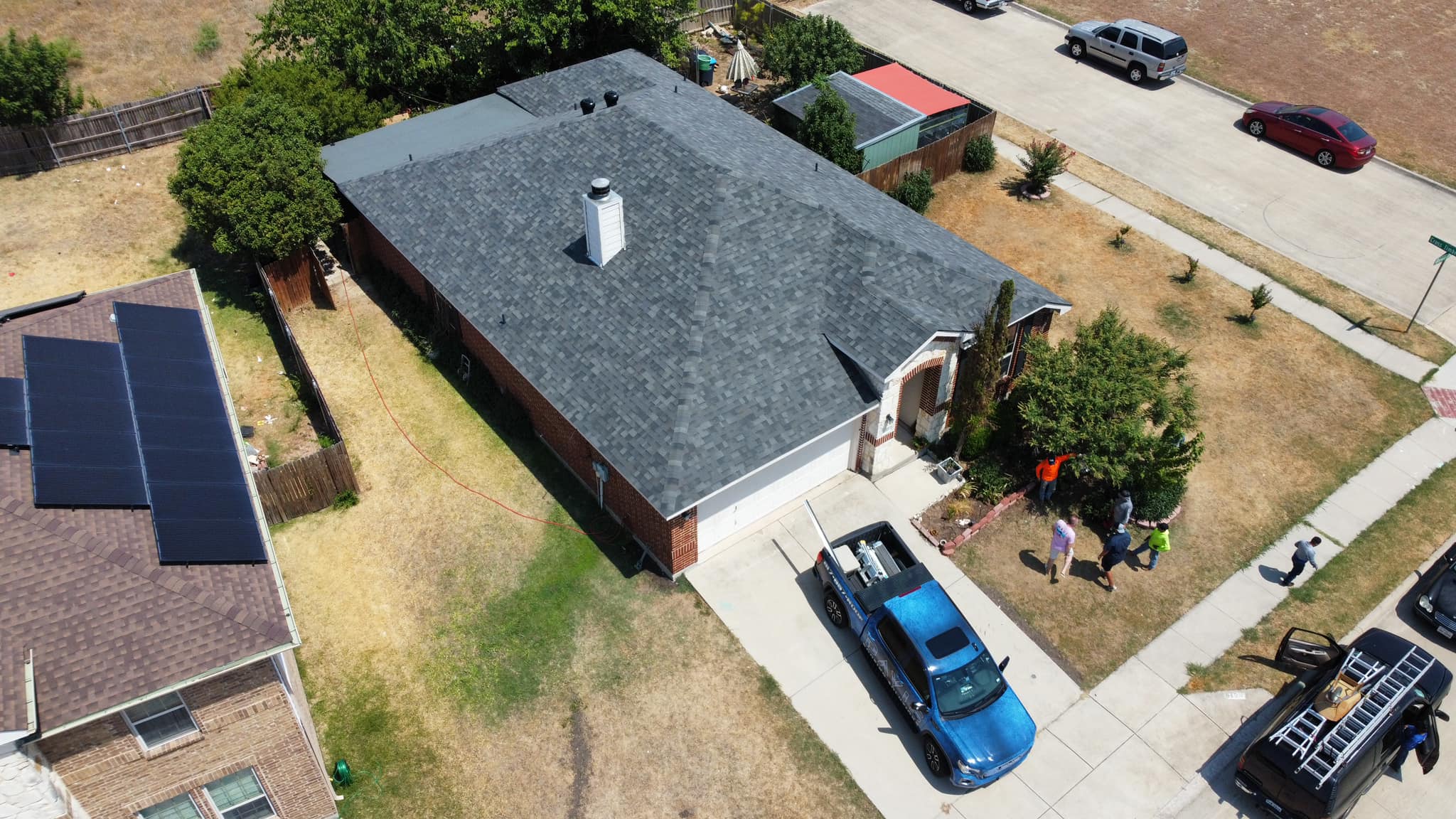
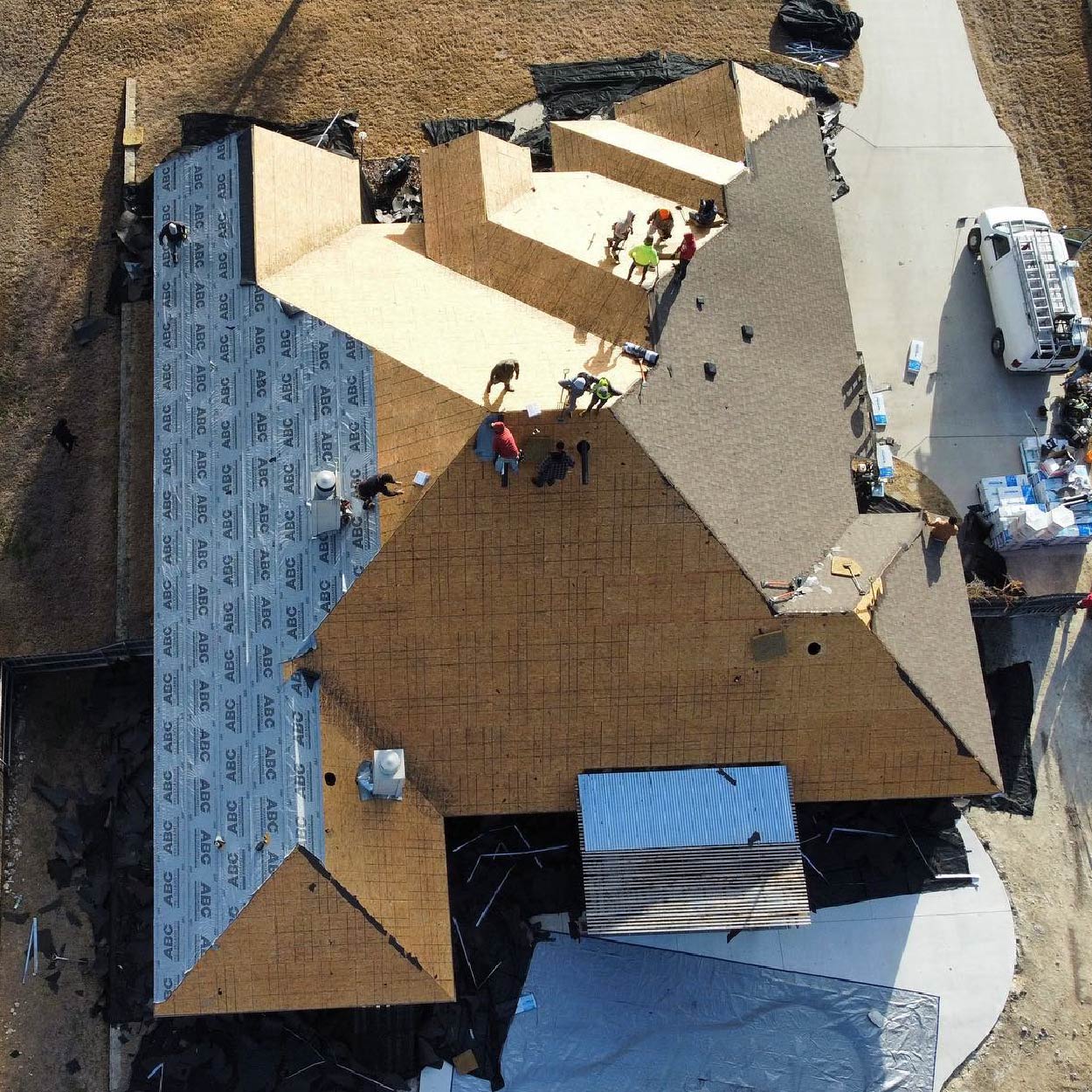
The overlooked part of a Forney home: the roof, up where nobody looks, taking the worst of it. The wear: long hot summers, spring hail and hard wind, and years of sun drawing the oils from the shingles, all aging the roof past its years. The fix ahead of trouble: an inspection, an honest, close read on how the roof is really holding, before a small fault turns into a wet ceiling or a tossed claim.
What we are actually looking for
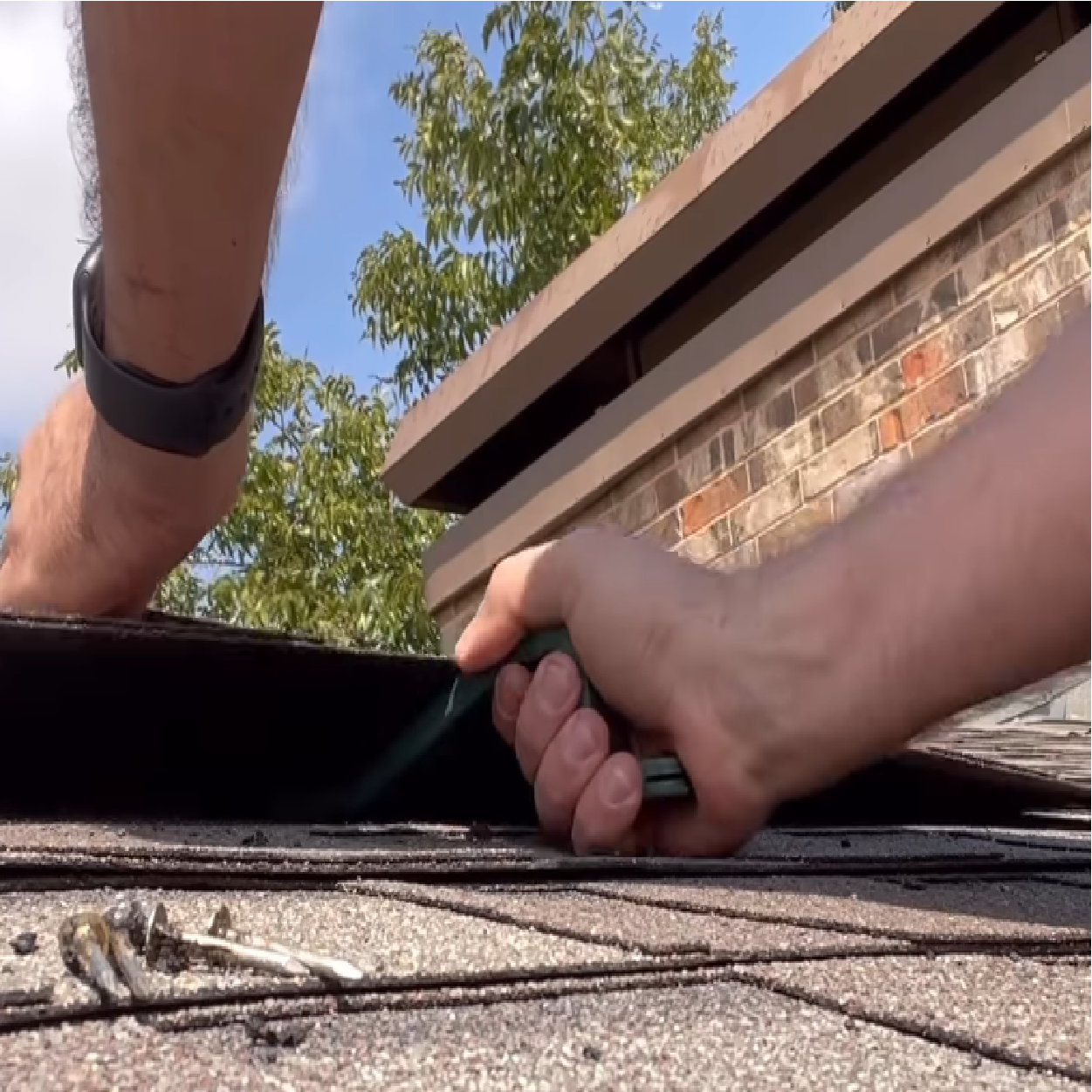
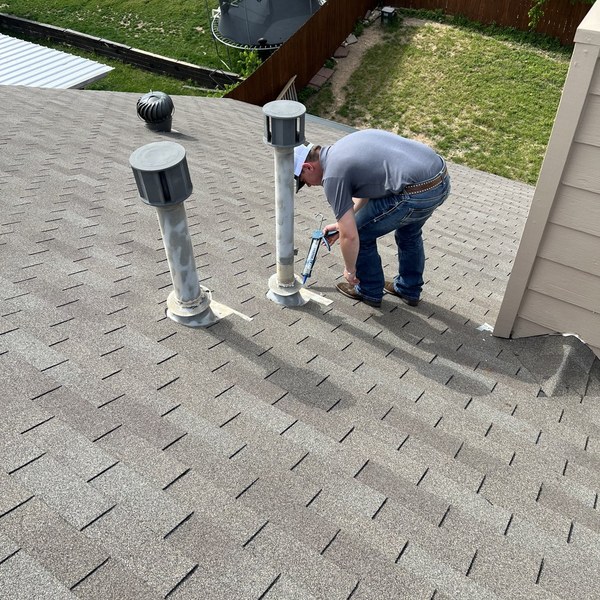
One glance: not an inspection. A real one: a run of checks. The surface: faded shingles, granule thinning, curled shingle tips, and hail knocks. The joints: every sewer vent, wind turbine, skylight lip, and wall flashing, where the gone caulk and swelled decking behind most Forney leaks hide. The top: the ridge and beams, read for venting, since a roof that cannot breathe cooks itself. The attic: the first sign of a leak, a brown patch, a give in the deck, a line of light, long before the shingles show it.
Why the attic and the photos matter
The usual Forney inspection: a peddler looking the roof over from the road for five minutes. Ours: a full climb, the attic when it earns it, every fault in dated snapshots up close. The payoff: you see exactly what we found, so nothing rides on talk. The storm claim: dated snapshots are what an adjuster wants, often the split between a claim that lands and one that dies.
What you walk away with
The ending: a straight answer, not a pitch. The verdict: a grade on the roof, an honest count of the years left, and a plain word to fix it, replace it, or leave a sound roof be. The fault, if we find one: a written figure with it, plus after a storm, an honest read on whether a claim is worth filing. The price: none, no strings, so all of it is yours whether you hire us or not.