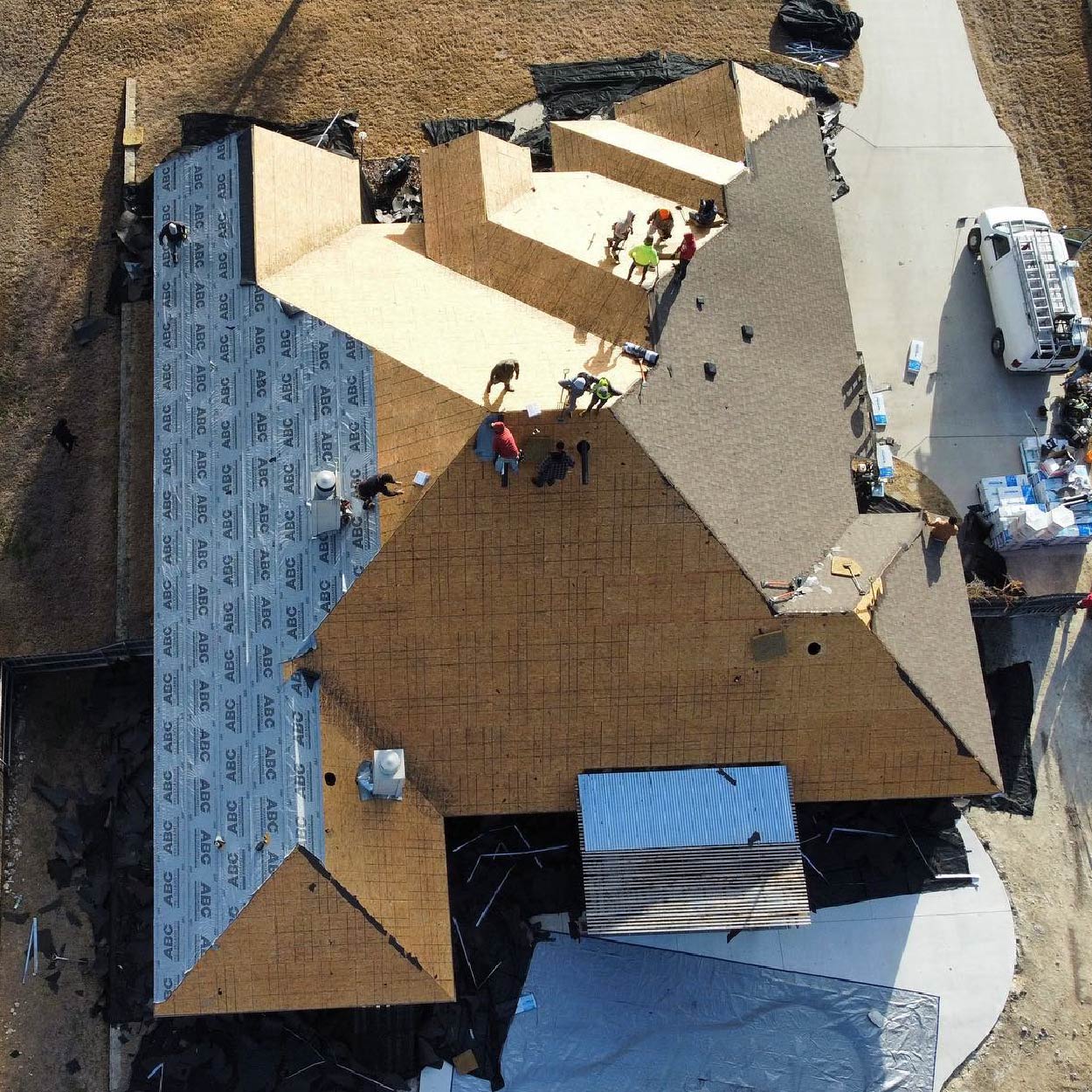
Roof inspection in Waxahachie
From historic downtown to new subdivisions, a Waxahachie roof inspection done right
Waxahachie is two towns in one when it comes to roofs: the historic homes near the courthouse square and the newer subdivisions spreading out along the highways. Those roofs could not be more different, and a real inspection has to know both. Ours is free, thorough, and written up so you can see everything we saw.
Historic homes ask different questions
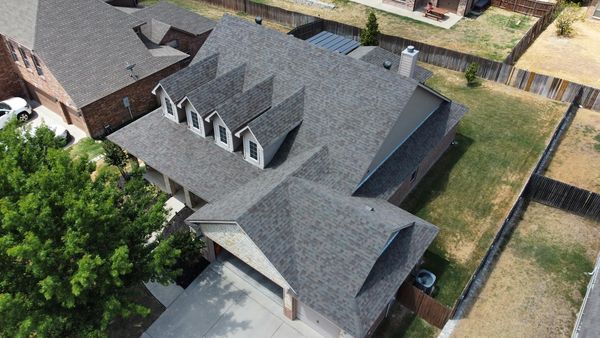
The century-old homes Waxahachie is famous for often carry steep, complex rooflines, older framing, and materials you rarely see on a modern subdivision. On those roofs we look closely at the condition of aged decking, the flashing around original chimneys and dormers, and the way past repairs were handled over the decades. A historic roof deserves an inspector who will not treat it like a builder-grade tract home, because the wrong assumptions there lead to the wrong advice.
Newer subdivisions have their own patterns
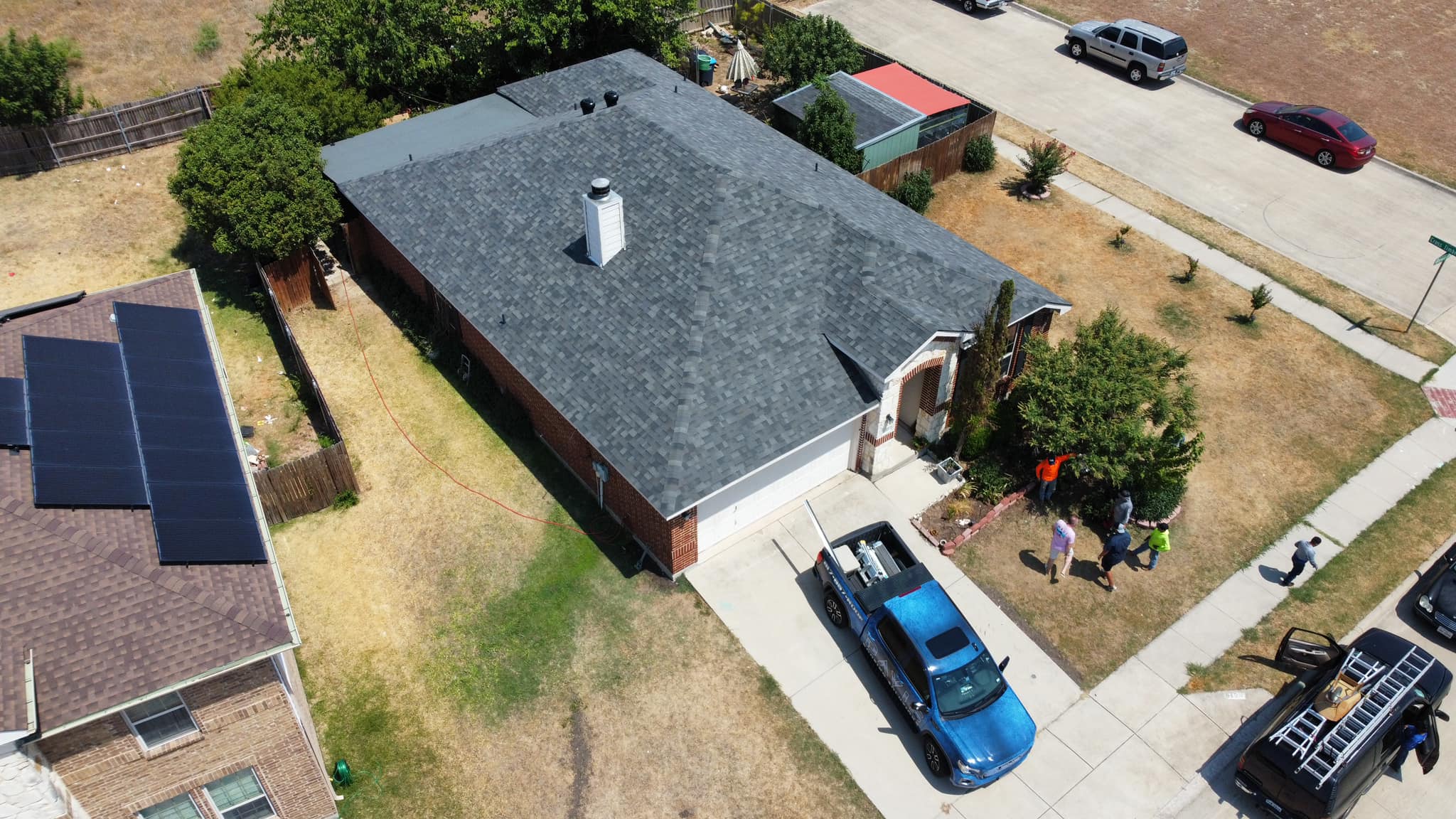
The homes built out around 1999 and later tell a different story. Production roofs share a shingle, a slope, and a set of shortcuts, so we know to check for light nailing, marginal ventilation, and short runs of flashing that were fine on day one and are giving up now. On a newer Waxahachie roof, an inspection is largely about finding the specific corners the builder cut before they turn into leaks.
The full component walk
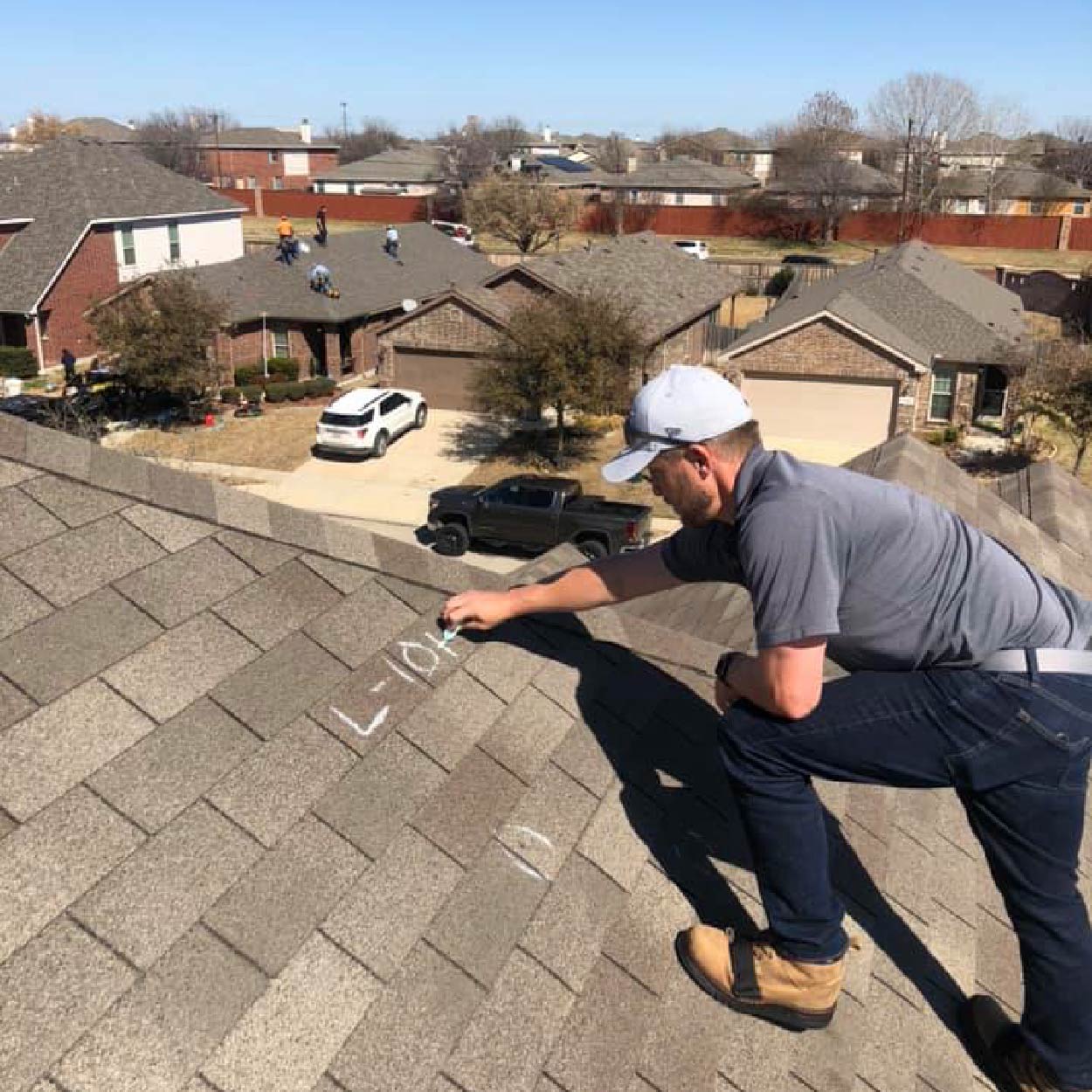
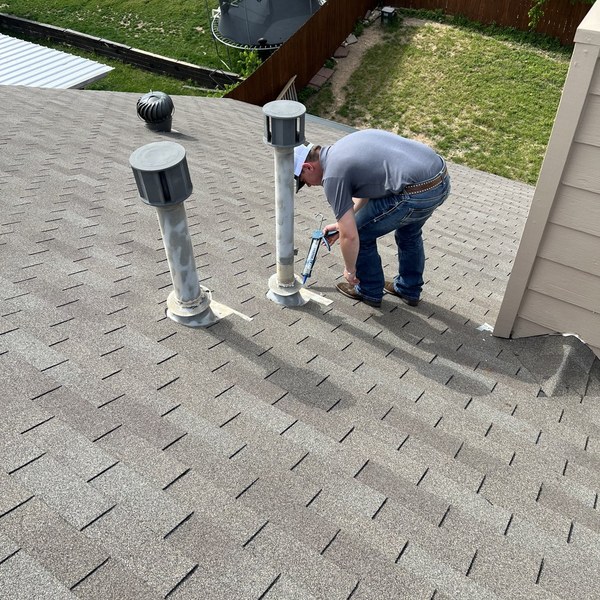
Whatever the age, we walk the whole roof and check it piece by piece. Field shingles get examined for granule loss, cracking, and lifted or creased tabs. Valleys get checked where two slopes concentrate runoff. Flashing at every wall, chimney, and skylight gets a close look, because that is where most leaks actually begin. Pipe boots and vents, the single most common failure point on any roof, get inspected for dry, split collars. We look at the ridge and the soft metals for the dents and bruising that signal hail.
Inside the attic
Half the story is under the deck, so where we can access the attic, we go in. Daylight through the boards, dark water tracks on the rafters, damp or matted insulation, and a musty smell all point to a leak the surface has been hiding. The attic is also where poor ventilation reveals itself, and inadequate airflow is one of the quiet reasons Waxahachie roofs age faster than they should in the Texas heat.
Ellis County storms
Waxahachie sits in active Ellis County storm country, and hail is the damage we are asked about most. Because hail bruises a shingle without always tearing it, the harm is easy to miss from the ground and easy for an insurer to dispute. We check the field, the ridge, and every piece of soft metal, and we can distinguish fresh storm damage from the ordinary wear a roof collects over the years, which is exactly the line a claim turns on.
Documentation that stands up
Everything we find goes into a plain-language, photo-documented report. If there is storm damage, those photos become the backbone of your insurance claim, and we are glad to meet the adjuster on the roof and point out each hit so nothing legitimate gets waved off. If the roof is sound, that same report is a baseline that protects you the next time a storm rolls through.
An honest verdict
When we come down, you get a straight answer: the roof is fine, the roof needs a specific repair, or the roof is near the end and you should start planning. We are not going to invent problems on a Waxahachie roof to sell a job, and we are not going to wave off something real to be agreeable. The whole inspection is free, there is no obligation, and the truth comes in writing either way.
Gutters and where the water goes
A roof inspection that ignores drainage is only half a look. We check the gutters for sagging, separation, and the shed granules that mark an aging roof, and we trace where the runoff lands, because in Waxahachie a drainage failure shows up as rotted fascia and foundation movement well before anyone suspects the roof. Catching it early is far cheaper than repairing what it ruins.
Trees and the shaded slopes
Waxahachie's older neighborhoods carry mature trees, and their limbs drop debris into the valleys and shade the north-facing slopes where algae takes hold. We note where limbs are wearing on the shingles and where shaded areas are holding moisture, because both quietly shorten a roof's life if nobody is watching for them.
The edges, where a storm starts
Wind gets its first grip at the eaves and the rakes, so we check the drip edge and the starter course along the whole perimeter. On an older Waxahachie roof, a lifted or missing piece of edge metal is exactly where a storm begins to peel the roof back, and it is one of the easiest things to miss from the ground.
When to schedule one
The best time to inspect a Waxahachie roof is before you think you need to: once a year as a baseline, and again after any major hail or windstorm. Getting ahead of the weather is how you keep roof problems small, planned, and cheap instead of sudden and expensive.
Chimneys and masonry
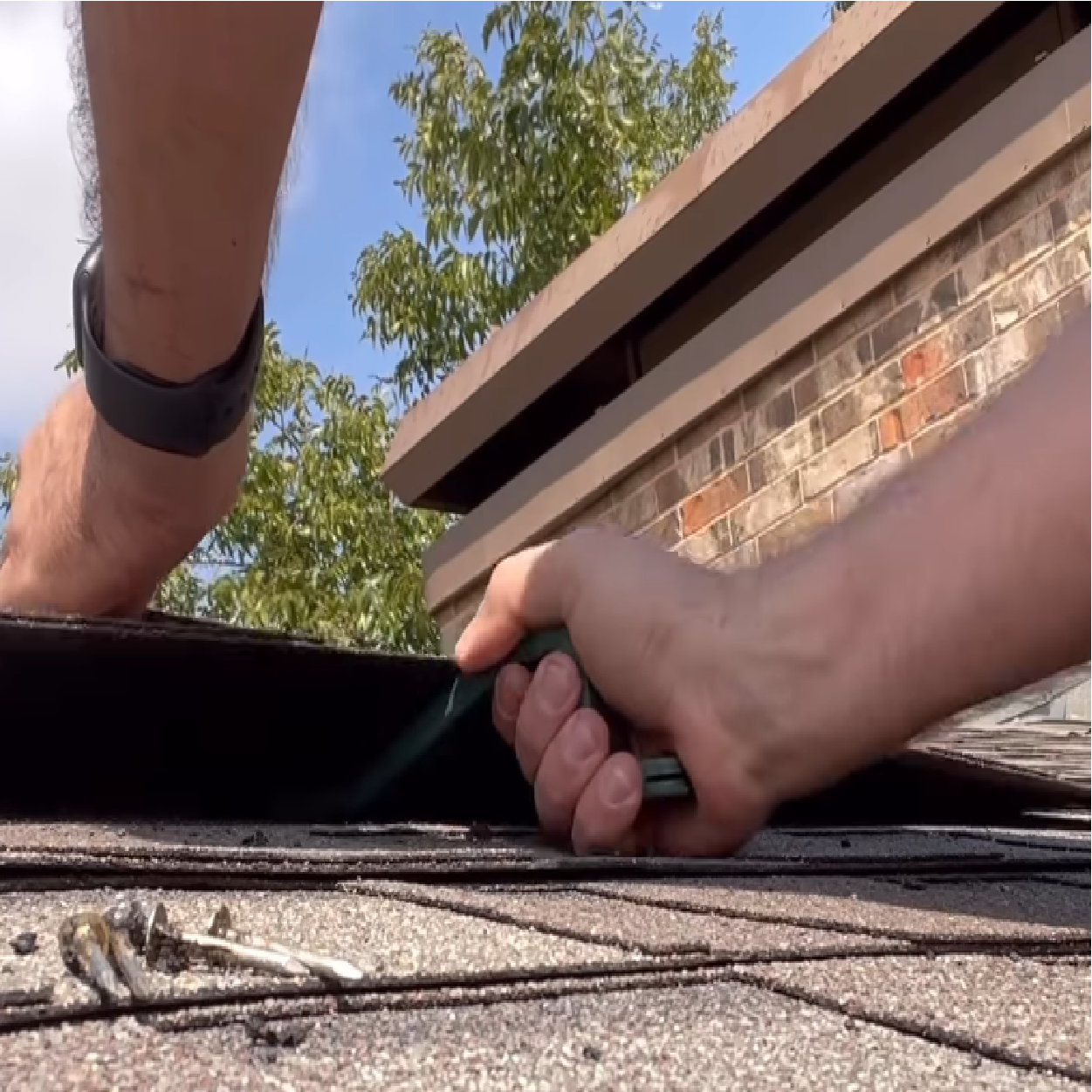
Waxahachie's older homes are full of real masonry chimneys, and the flashing where brick meets roof is one of the most persistent leak sources we find. We check the step flashing, the counterflashing set into the mortar, and the cricket behind the chimney that is supposed to divert water around it, because on a historic home that detail is often decades past its prime.
Skylights and add-ons
Skylights, solar tubes, and later additions all break the plane of a roof, and every one is a seam that can fail. We inspect the flashing and seals around each of them, since on both historic and newer Waxahachie homes these penetrations leak far more often than the open field ever does.
What to watch versus what to fix
Not everything we find needs action today, and we say so. Part of an honest inspection is separating the items that genuinely need attention now from the ones that are simply worth keeping an eye on, so you can spend your money where it actually matters and plan the rest on your own schedule.