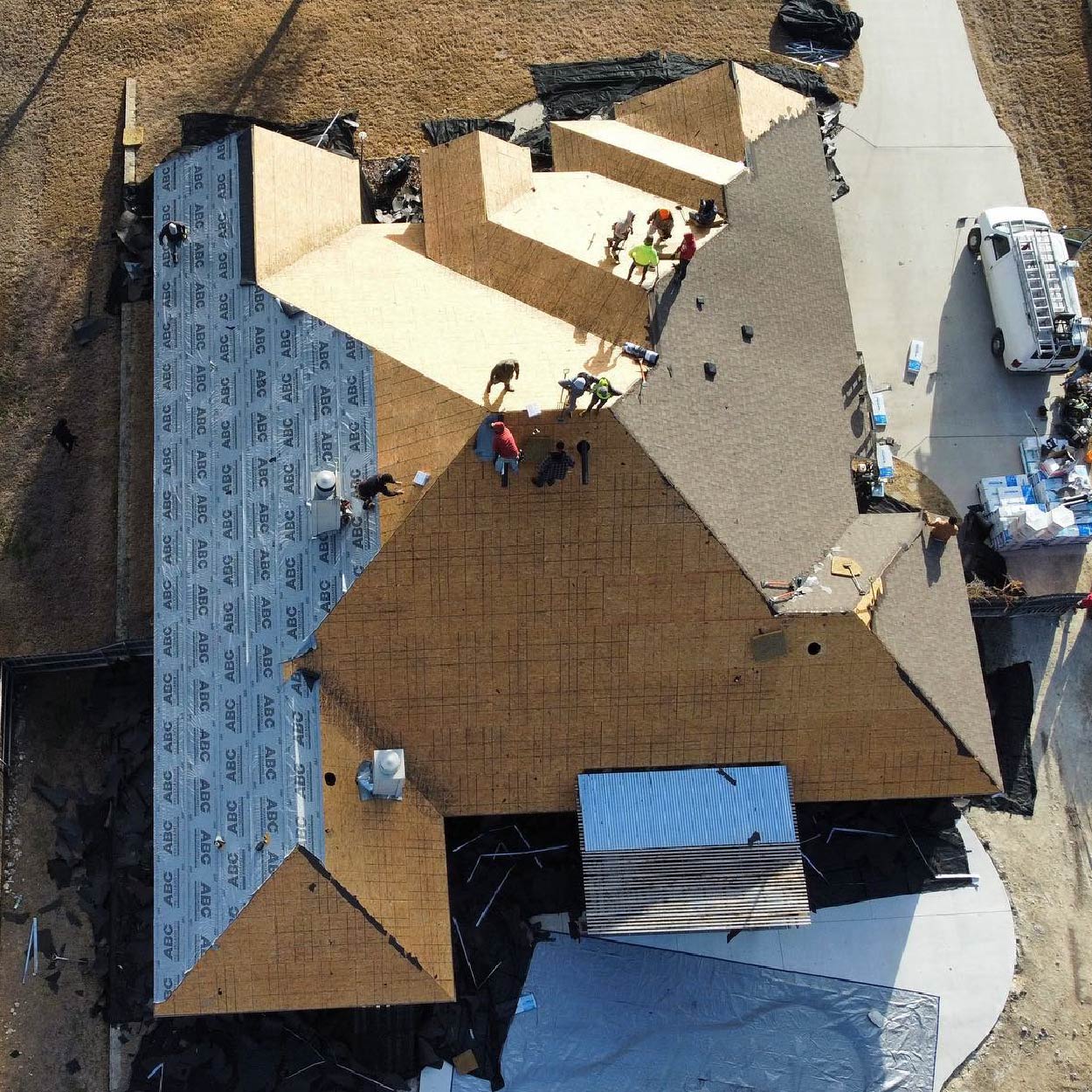
No part of a Rhome home hides trouble like the roof, up where you almost never look and where the weather never lets up. Nothing ages it faster than these Texas seasons: blistering heat, spring hail and hard wind, and a sun that dries the oils out of the shingles year after year. So a Rhome roof wears out ahead of its age, and an inspection is just a plain, close read on how it is really holding, and what it needs, if anything, before a small fault becomes an inside leak or a dead claim.
What we are actually looking for
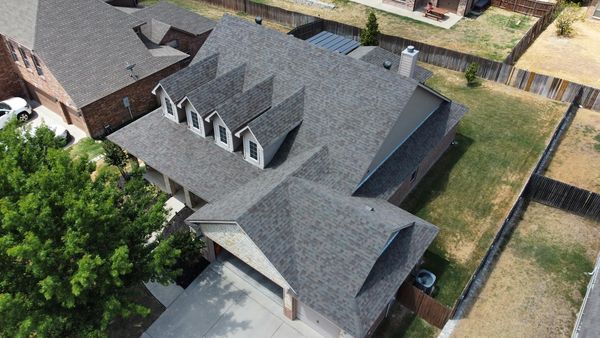
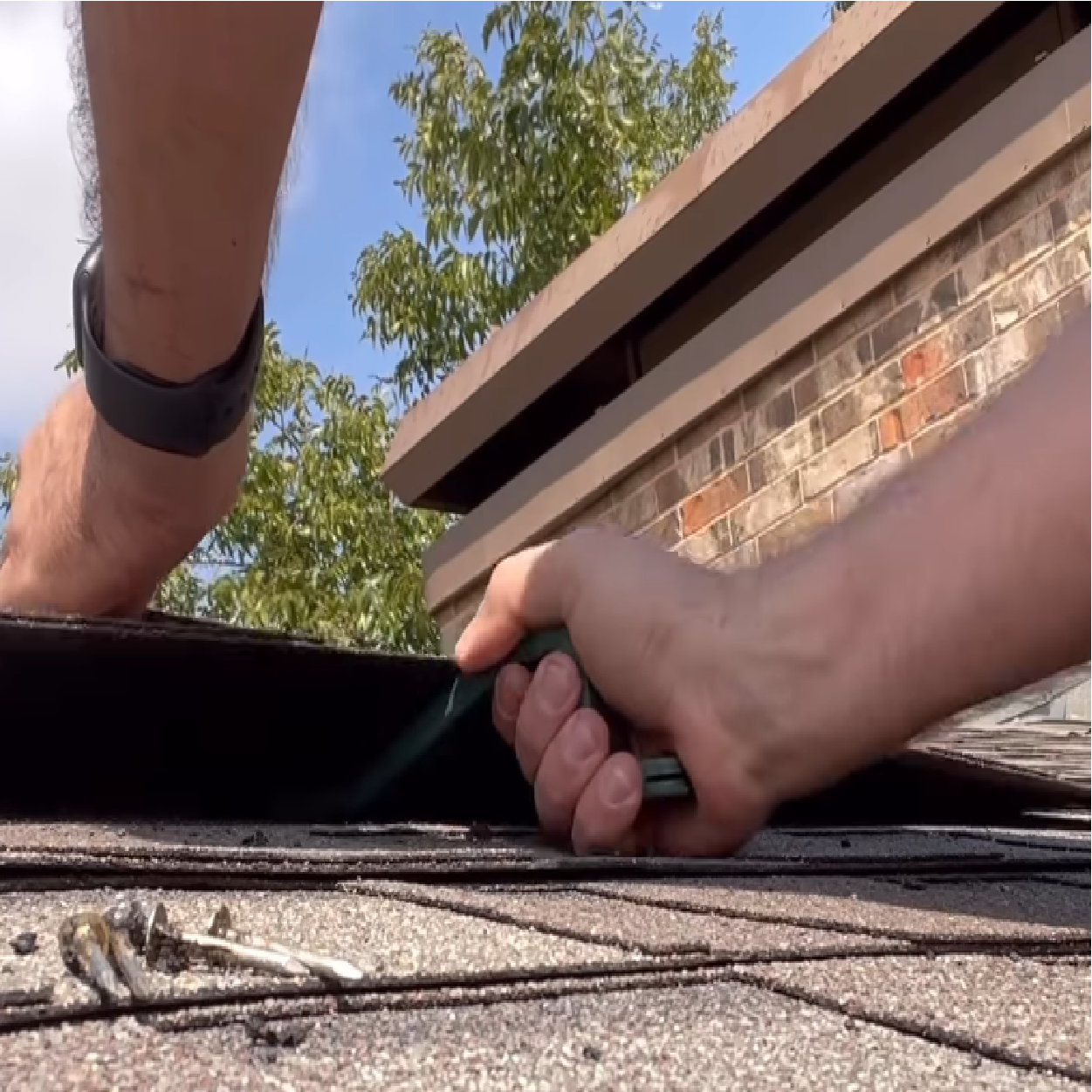
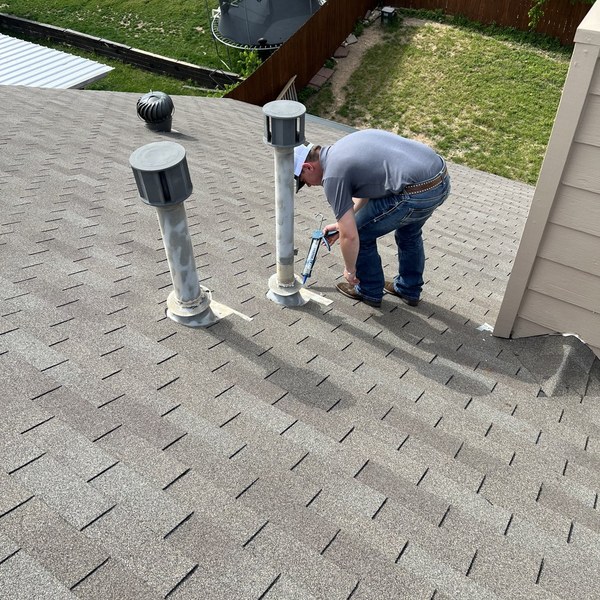
No single glance covers it. On the surface, we read worn shingles, gutter granules, curling, and hail dents. At every boot, vent, skylight, and flashing line, we dig out the split seals and rot behind most Rhome leaks. At the ridge and in the attic, we gauge airflow, because a roof that cannot breathe bakes itself. And in the attic, when it is safe, because no leak stays hidden for long inside, a stain, a soft board, or a shaft of daylight shows up there well before it does outside.
Why the attic and the photos matter
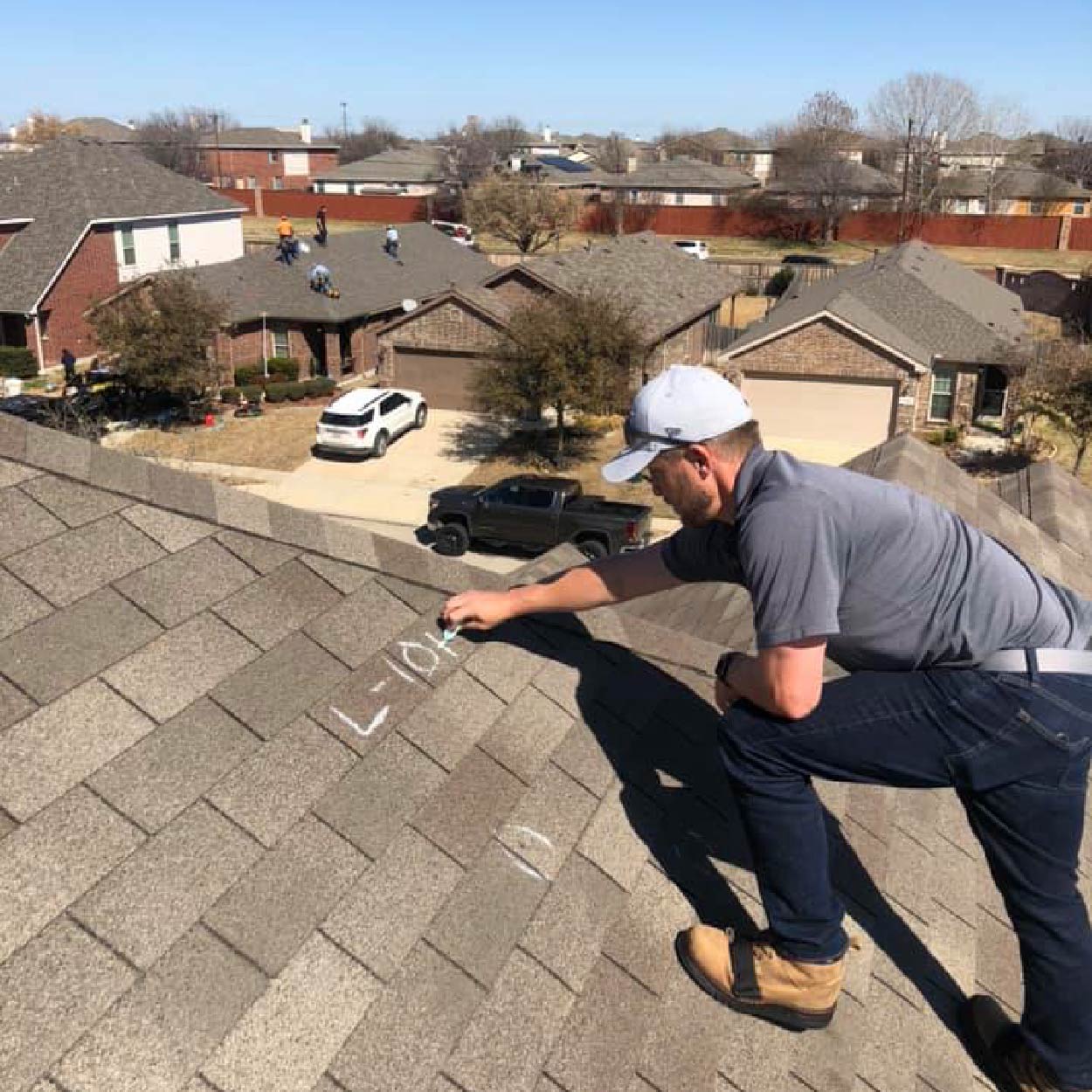
No curbside squint counts as an inspection, and around Rhome that is exactly what a lot of outfits sell. Not us. Our inspector walks the roof, climbs into the attic when needed, and freezes every fault in dated, close-up photos. Never take a roof on faith when you can see it: the photos let you confirm what we found, and if a storm ever forces a claim, dated proof is what an adjuster wants, often the split between a paid claim and one written off as wear.
What you walk away with
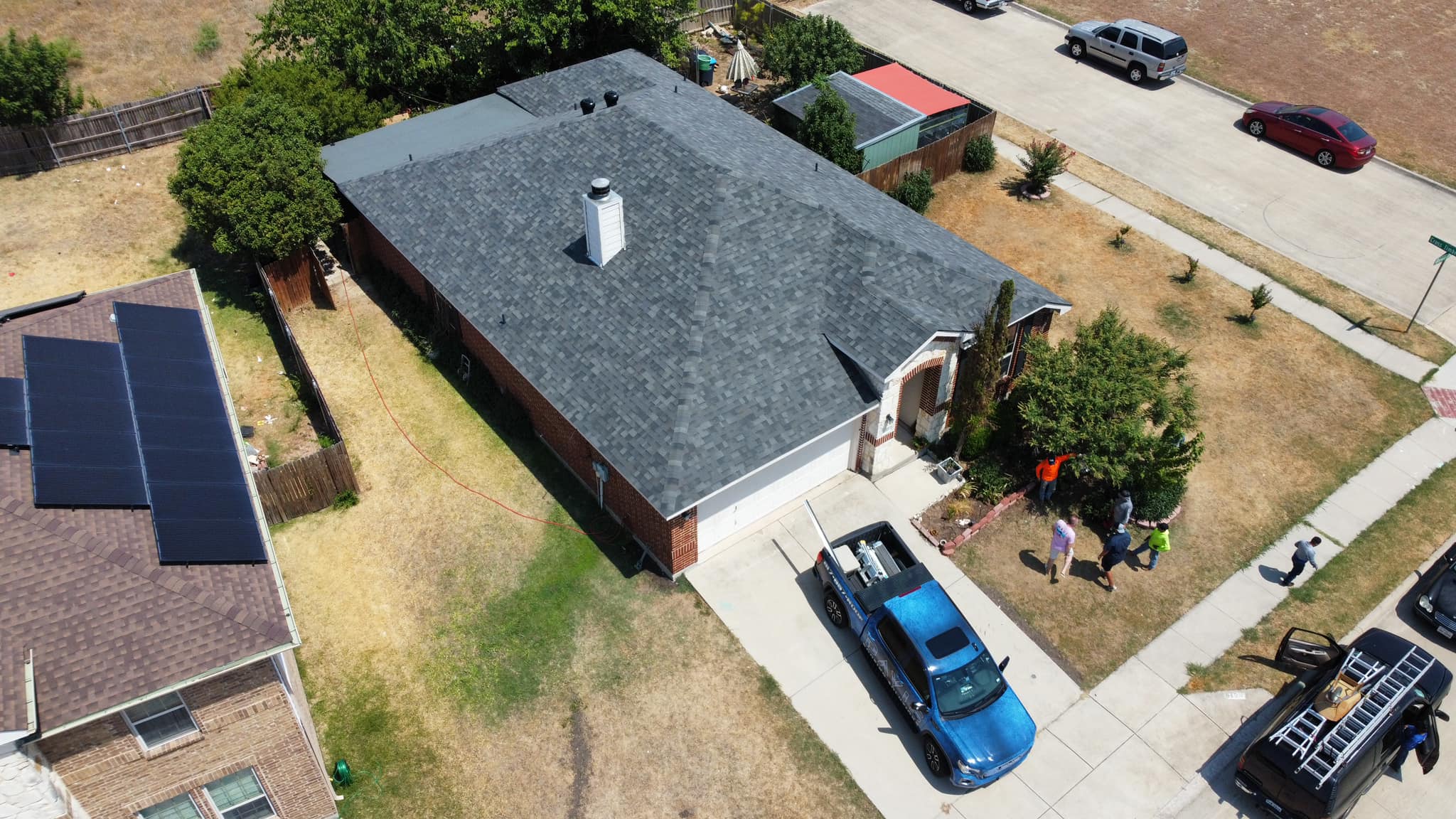
No pitch waits at the end, just a straight answer. Every Rhome inspection closes with a condition rating, an honest count of the years the roof has left, and a plain call to repair, replace, or leave a good roof alone. Find a fault and a written price comes with it. No storm claim gets filed without our honest read on whether it is worth chasing. And none of it costs a dime, hire us or not.