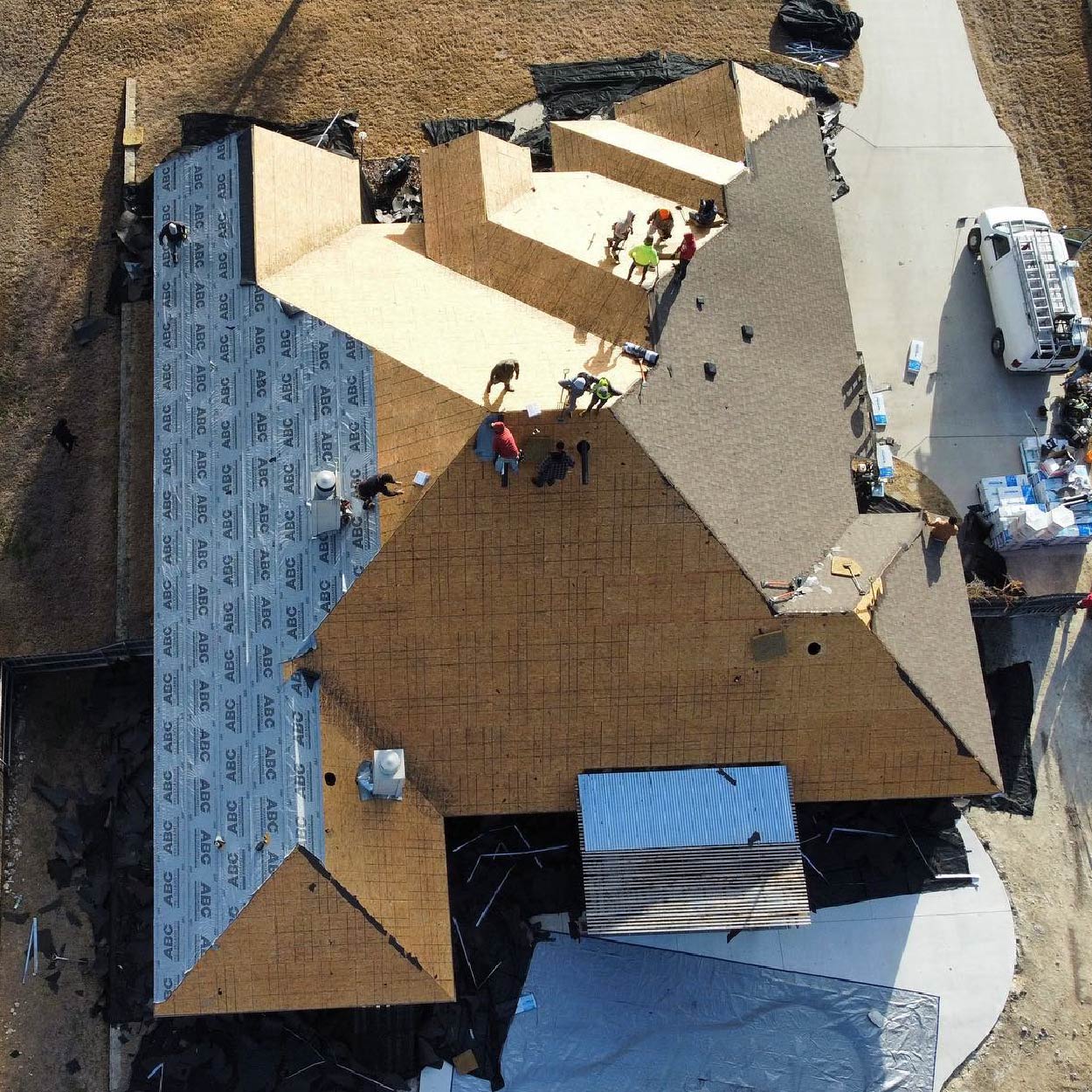
The roof works the hardest on a Mansfield home, but you notice it the least. Summer bakes it, spring hail and hard wind hammer it, and the sun pulls the oils from the shingles, so it wears old fast, but the ground never shows it. That is where an inspection comes in, a straight, up-close look at how the roof is really doing, caught before a small fault becomes a wet ceiling or a rejected claim.
What we are actually looking for
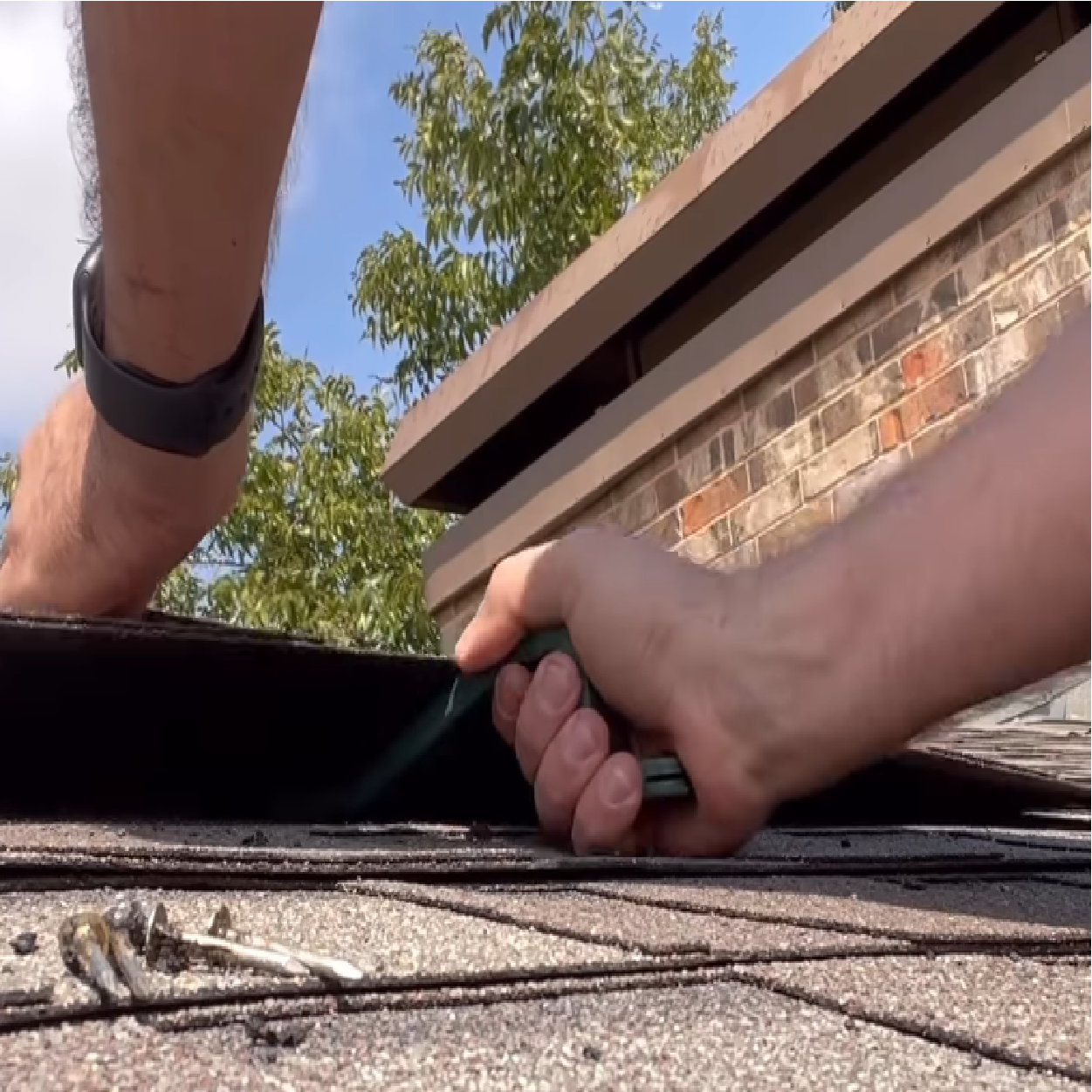
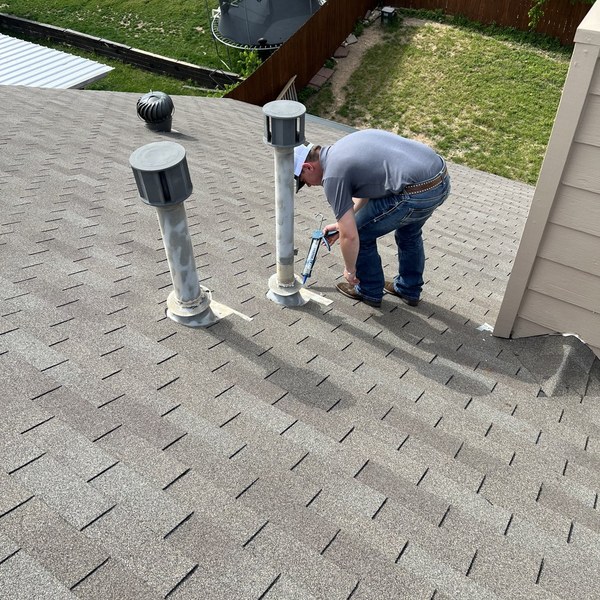
One glance seems enough, but a real inspection is a run of checks. The surface looks whole, but it shows the spent shingle rows, the granule wearing, the buckled shingle corners, and the hail dinting. The joints look sealed, but at every roof collar, cupola vent, skylight gasket, and wall flashing they hide the spent flashing cement and crumbly rafters behind most Mansfield leaks. The roof looks vented, but at the roof line and the beams the air runs short, and a stifled roof cooks itself. The attic looks dry, but a leak shows there first, a wet blotch, a soft rafter, a slot of light, before the shingles.
Why the attic and the photos matter
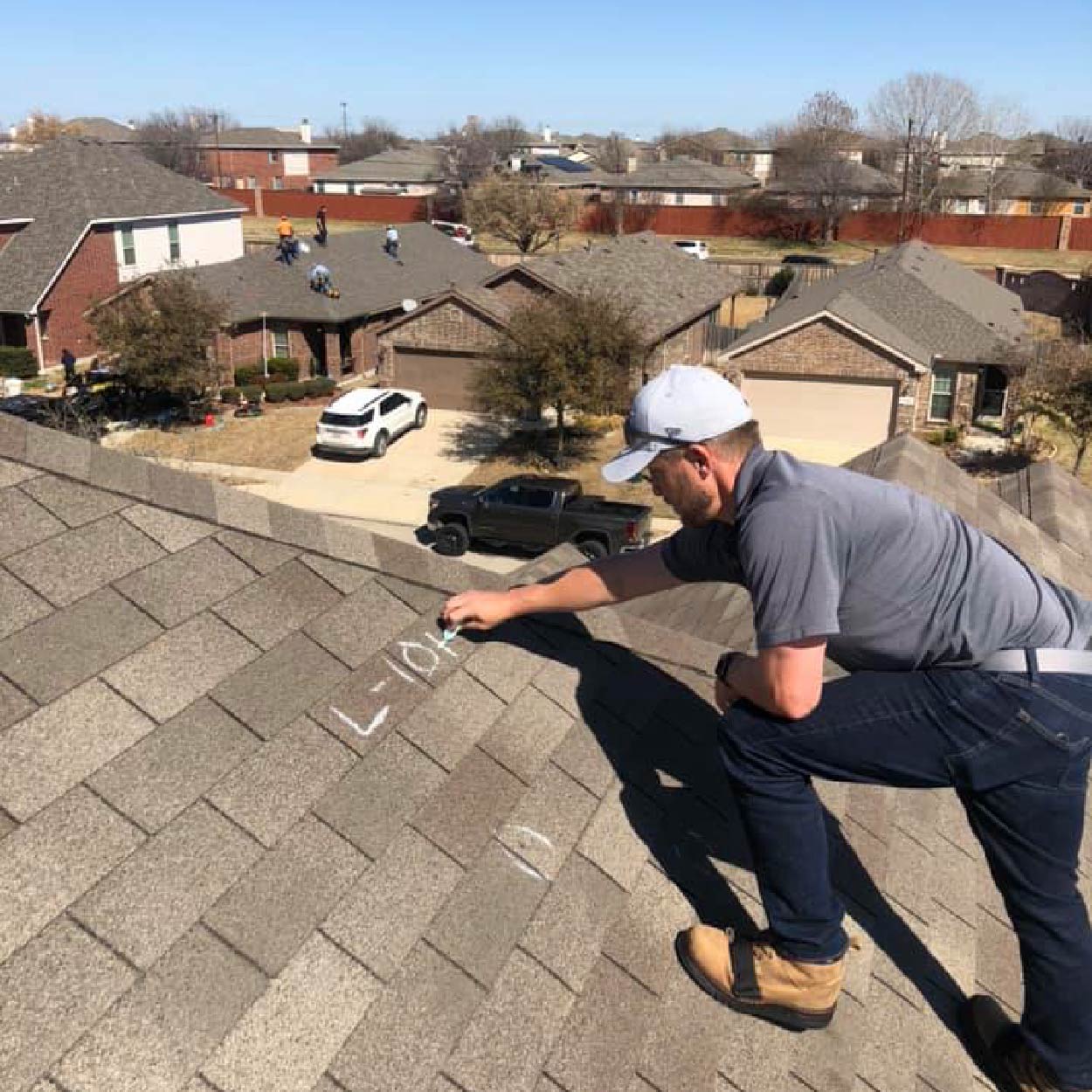
Most Mansfield inspections come from a canvasser reading your roof off the driveway, but ours does not. Our roofer walks the roof, drops into the attic when it earns it, and pins every fault in tight, dated shots. You could take a stranger's word, but those shots let you check for yourself, so nothing rides on talk. And after a storm, dated shots are what tells a paid claim from a rejected one, so an adjuster leans on them.
What you walk away with
Most inspections end in a pitch, but a Mansfield one ends in a straight answer: a plain grade on the roof, an honest count of the years it has left, and a clear call to set it right, replace it, or leave a good roof alone. A fault sounds costly, but it comes with a written repair quote, and after a storm, an honest read on whether a claim is worth submitting. And it might sound too good to be free, but it is, with no strings, so all of it is yours whether you hire us or not.