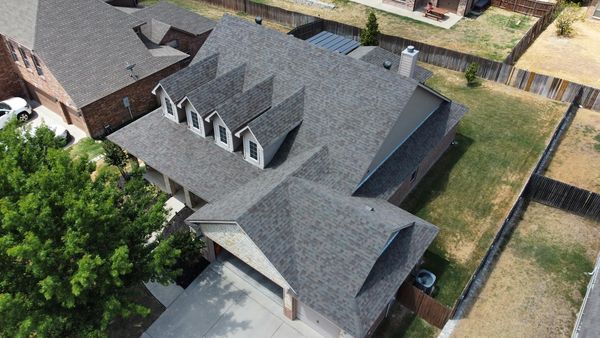
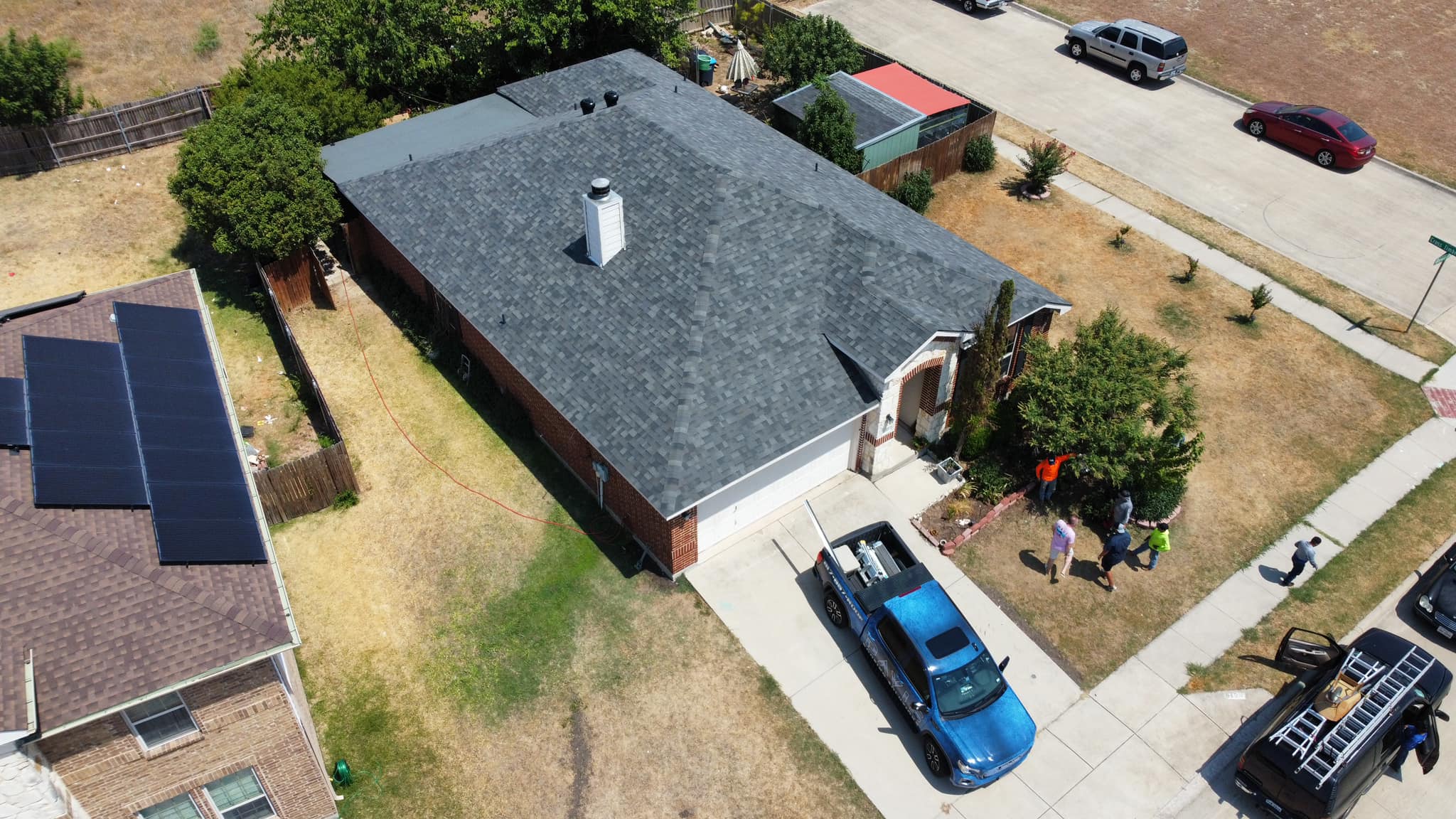
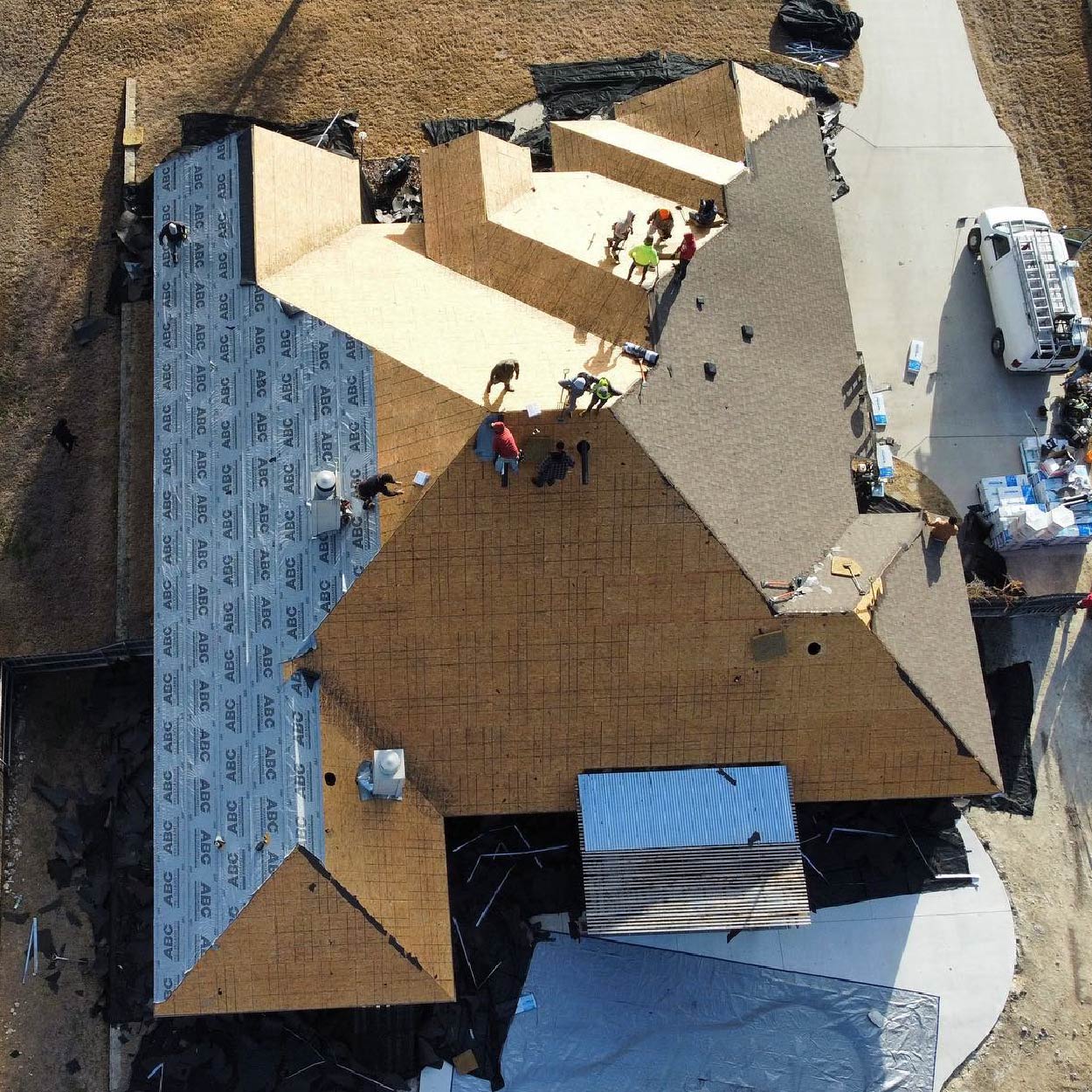
A roof works the hardest and draws the least notice. On a White Settlement home it soaks up more abuse than the yard ever lets on. Scorching summers bake it. Spring hail and gusting wind pound it. A relentless sun cooks the tar out of the shingles. A White Settlement roof wears old ahead of its age. An inspection cuts through the guesswork, a candid, up-close read on where the roof actually sits, before a hairline fault turns into a wet ceiling or a bounced claim.
What we are actually looking for
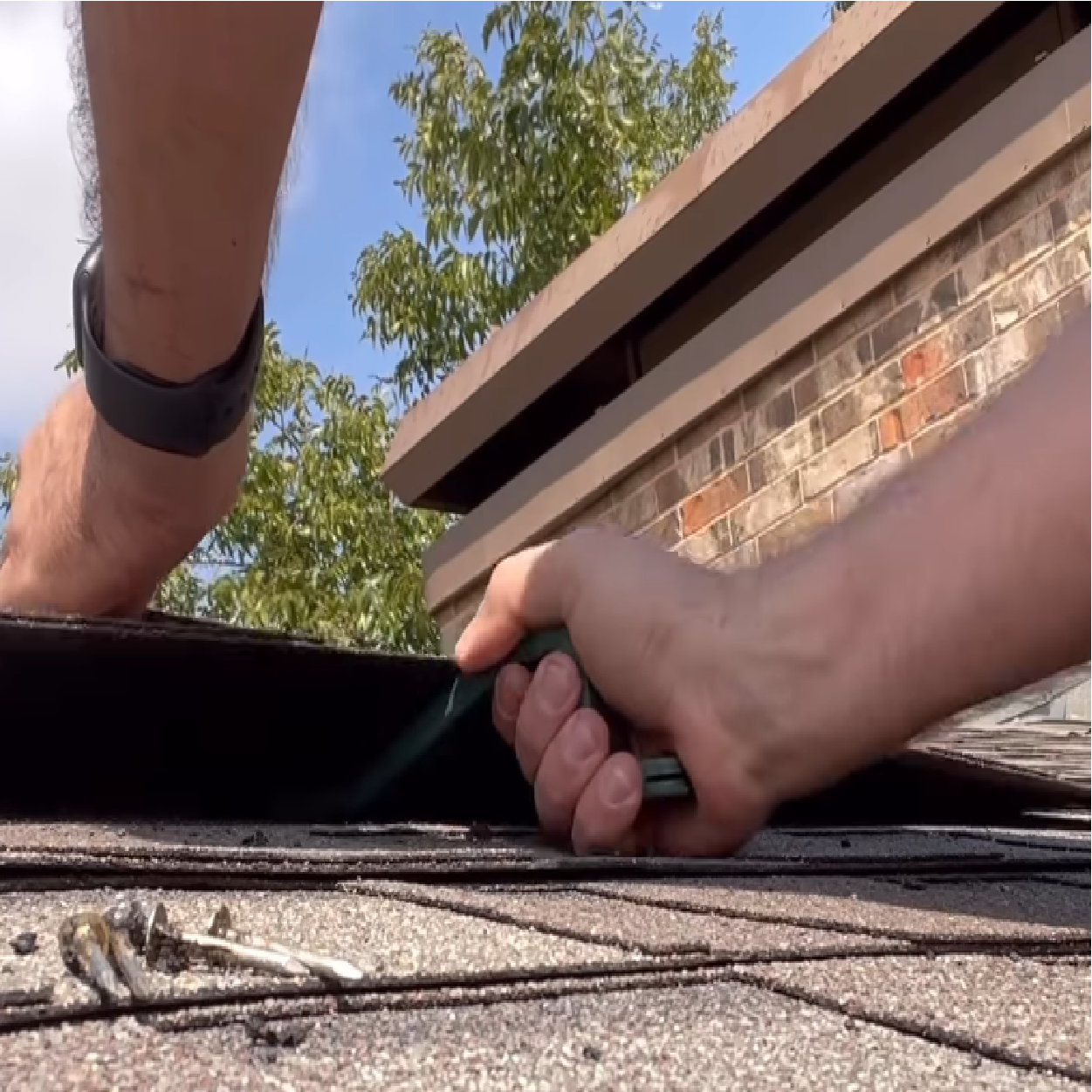
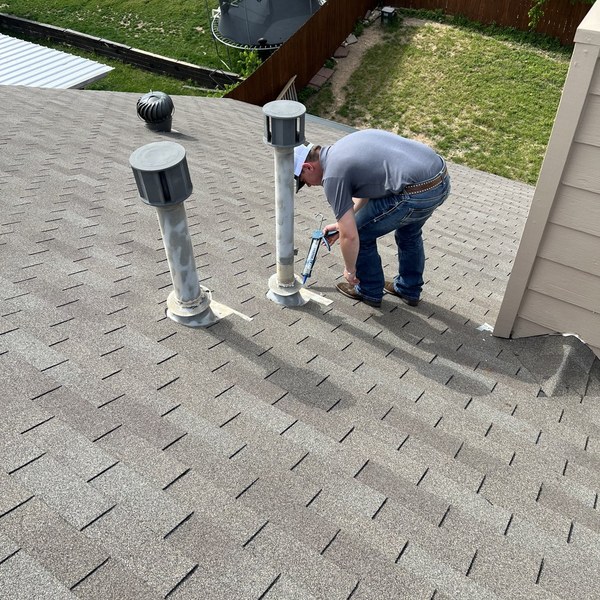
One look is not an inspection. A real one is a run of small checks. The field shows shingle wear, gutter grit, lifting edges, and hail pocks. The seams hide the trouble, so every pipe collar, vent, skylight, and metal joint gets worked for the split sealant and rotted wood behind most White Settlement leaks. The peak and attic tell the venting, and a roof that cannot draw air slow-bakes itself. The attic flags it first of all. A leak turns up there as a brown ring, a spongy board, or a needle of daylight well before the shingles show it.
Why the attic and the photos matter
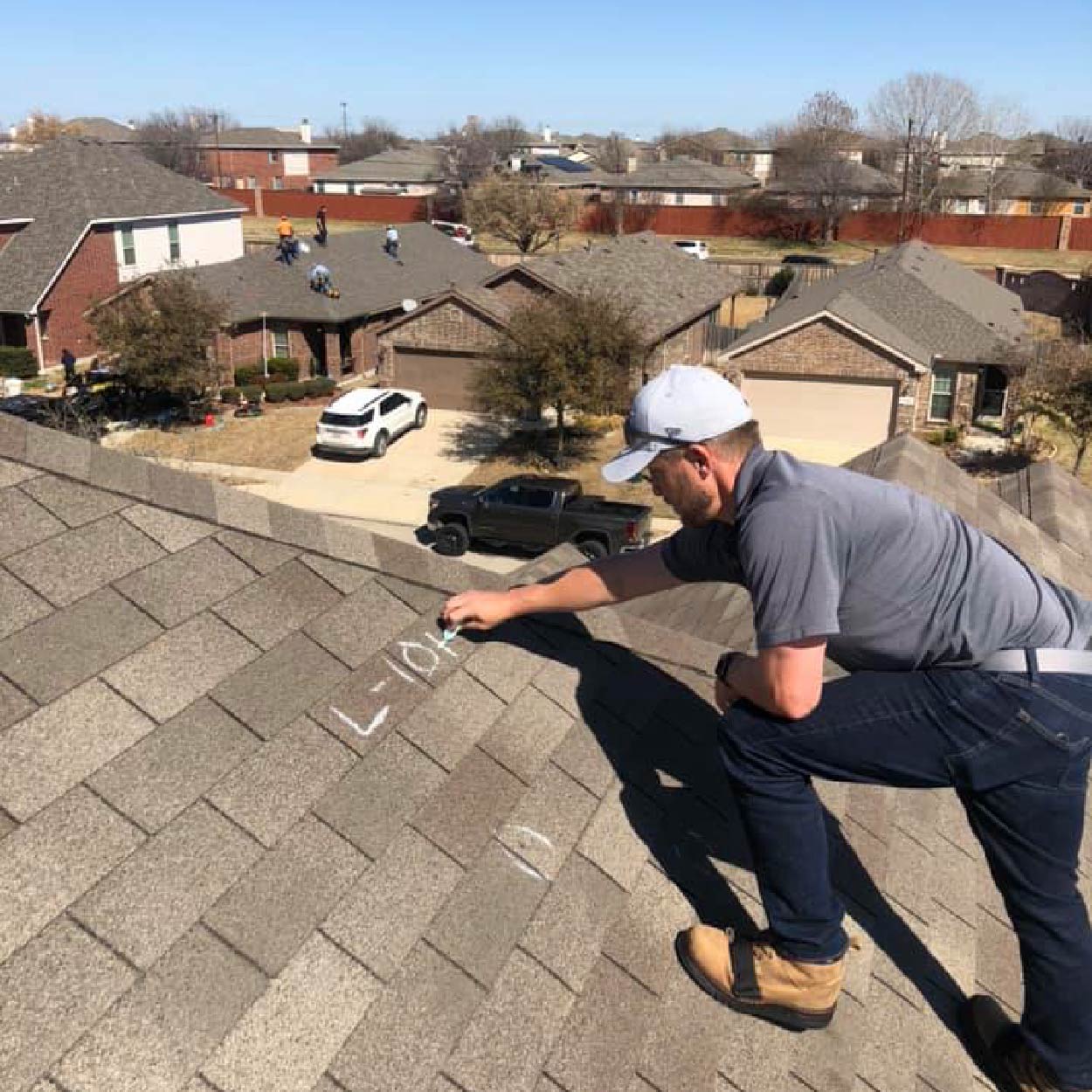
A curbside squint is cheap. A lot of White Settlement inspections are just that, a rep looking your roof over from the street for a few minutes. Ours is not. Our inspector climbs the roof, ducks into the attic when it earns it, and freezes every fault in tight, time-stamped shots. Those shots let you eyeball exactly what we found. Nothing rests on our word. And after a storm, time-stamped shots are the backup an adjuster leans on, plenty of times the split between a check and a shrug.
What you walk away with
No push. Plain talk. A White Settlement inspection ends with an overall grade on the roof, an honest count of the seasons it has left, and a clear word to mend it, replace it, or let a solid roof be. A fault comes with a written figure. After a storm, a level read on whether a claim is even worth chasing. It is free. It carries no strings. You keep all of it whether you call us back or not.